




[what we do]
The problem, and our answer.

The Problem
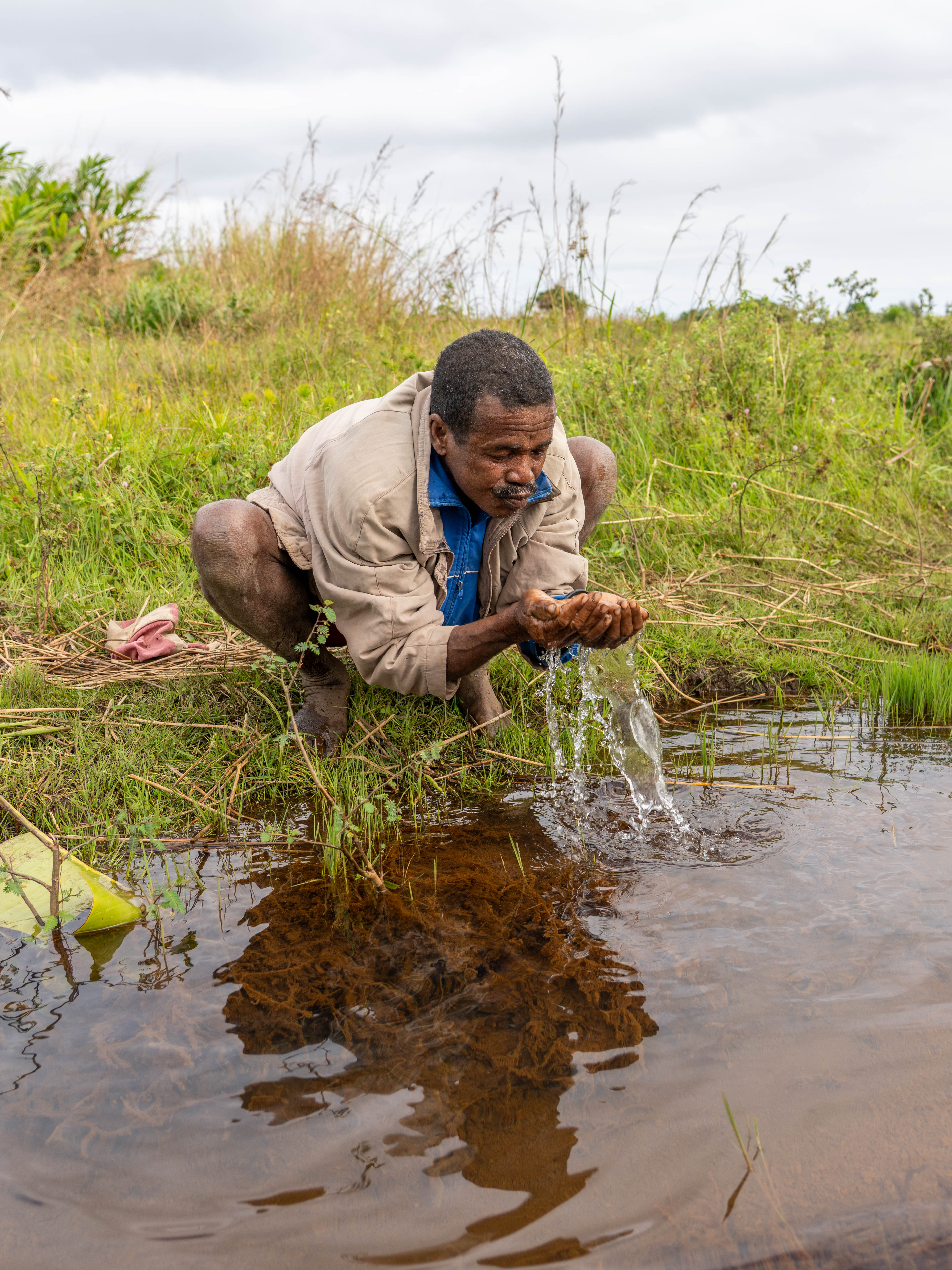
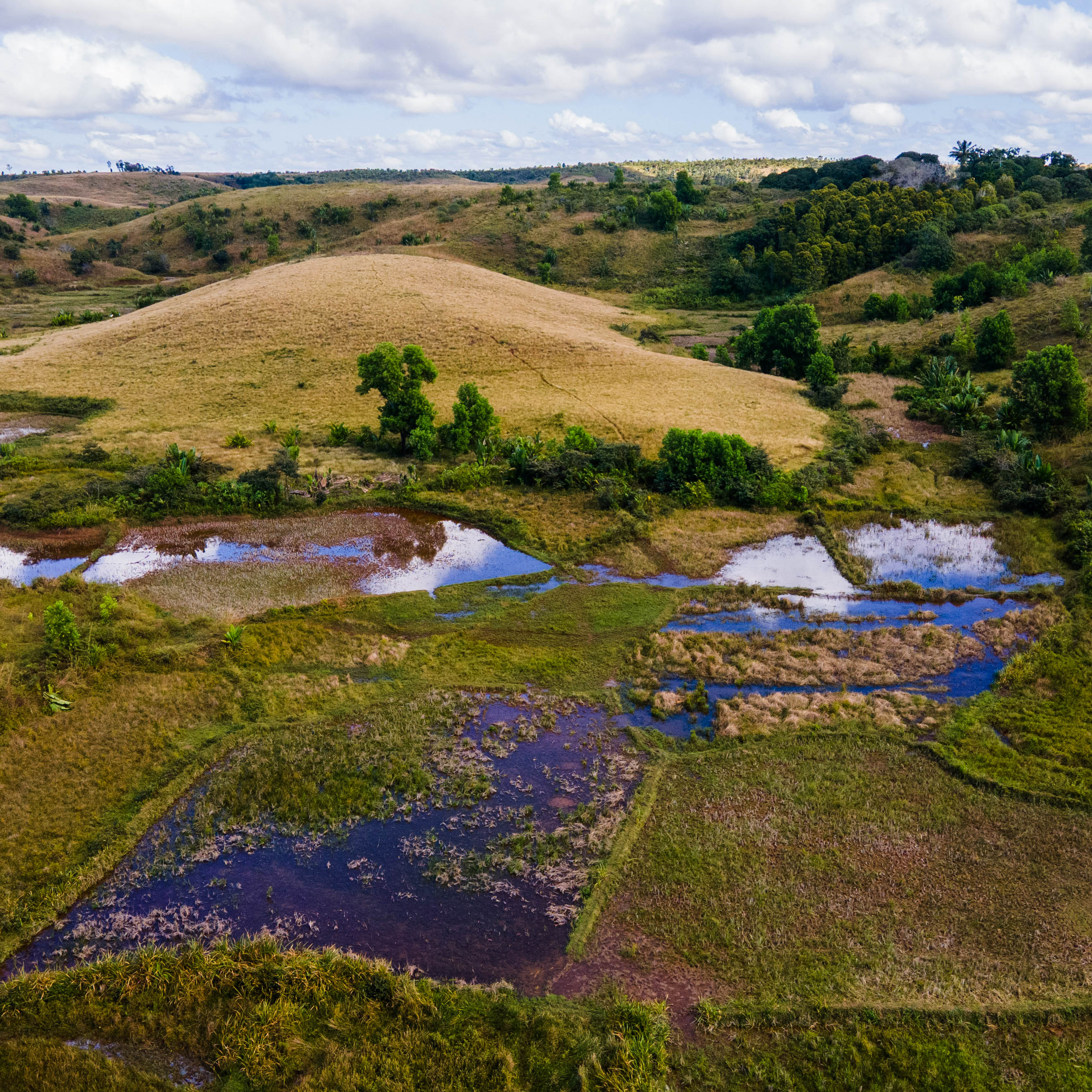
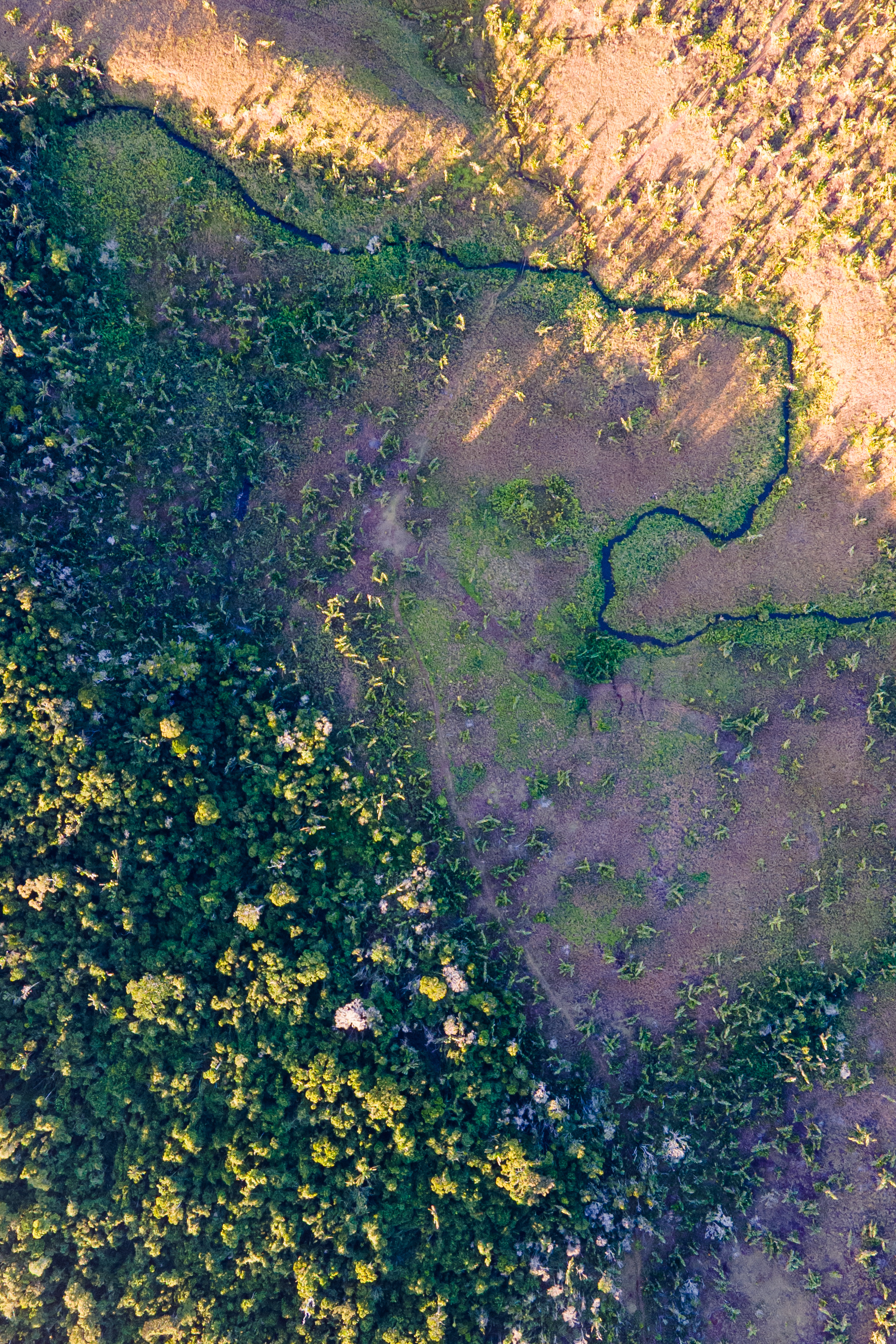
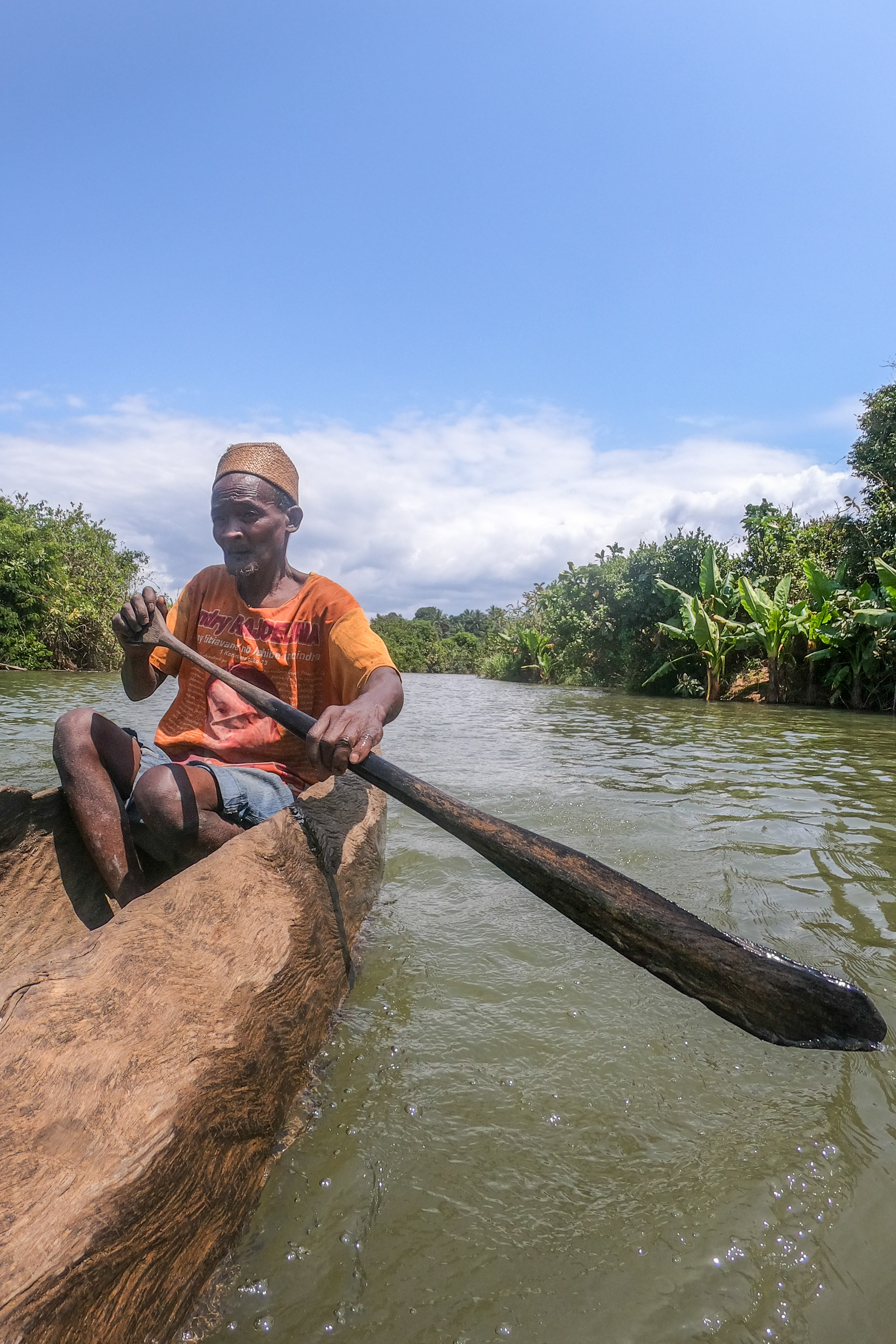
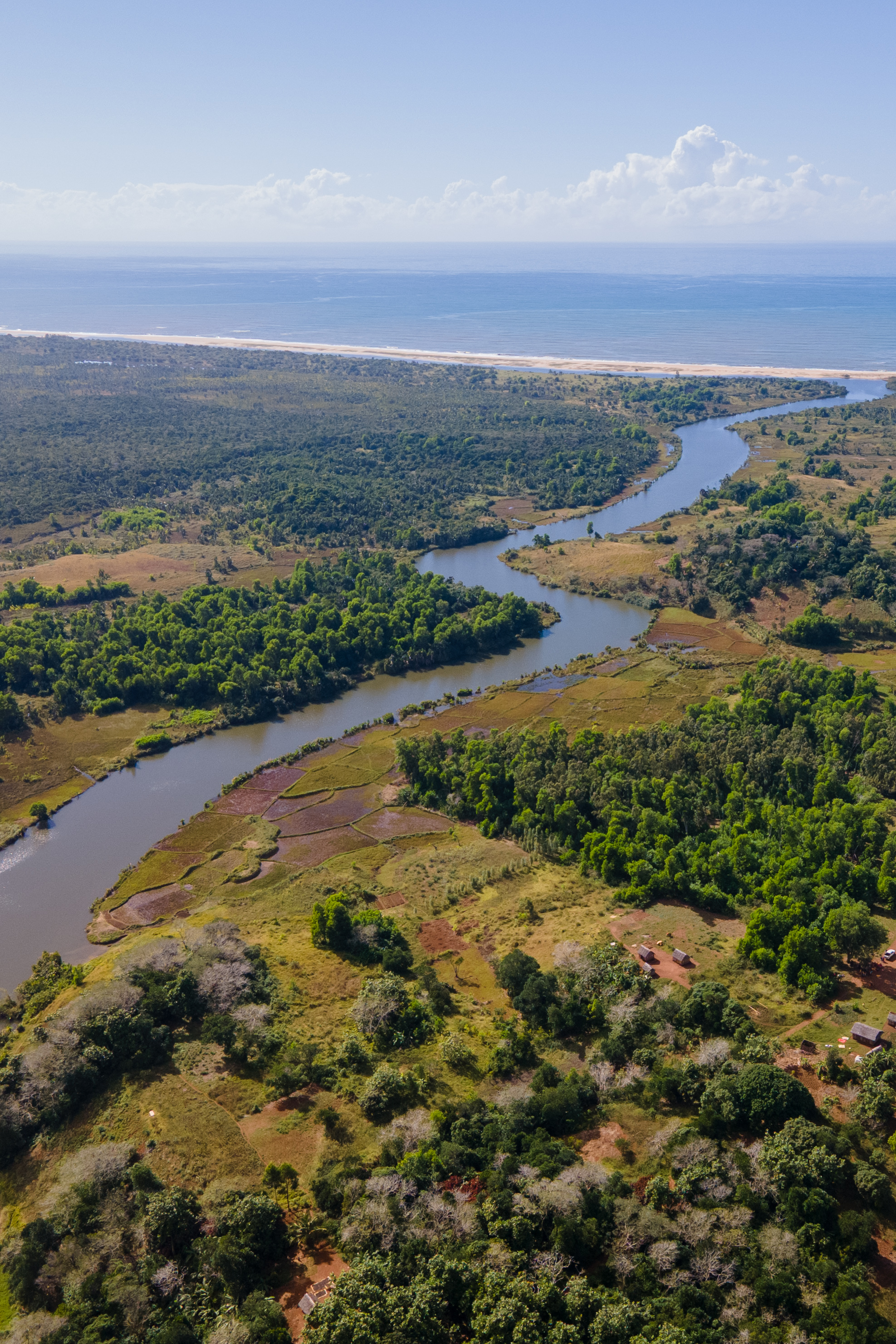
In southeastern Madagascar, a lack of resources forces rural communities to rely on their natural environment for daily survival, leading to environmental degradation that drives a high disease burden.
Inadequate sanitation infrastructure leaves communities without access to clean drinking water and exposed to diarrheal diseases, while deforested land creates the standing water habitat where malaria-carrying mosquitoes breed.
Inadequate sanitation infrastructure leaves communities without access to clean drinking water and exposed to diarrheal diseases, while deforested land creates the standing water habitat where malaria-carrying mosquitoes breed.

Our Solution
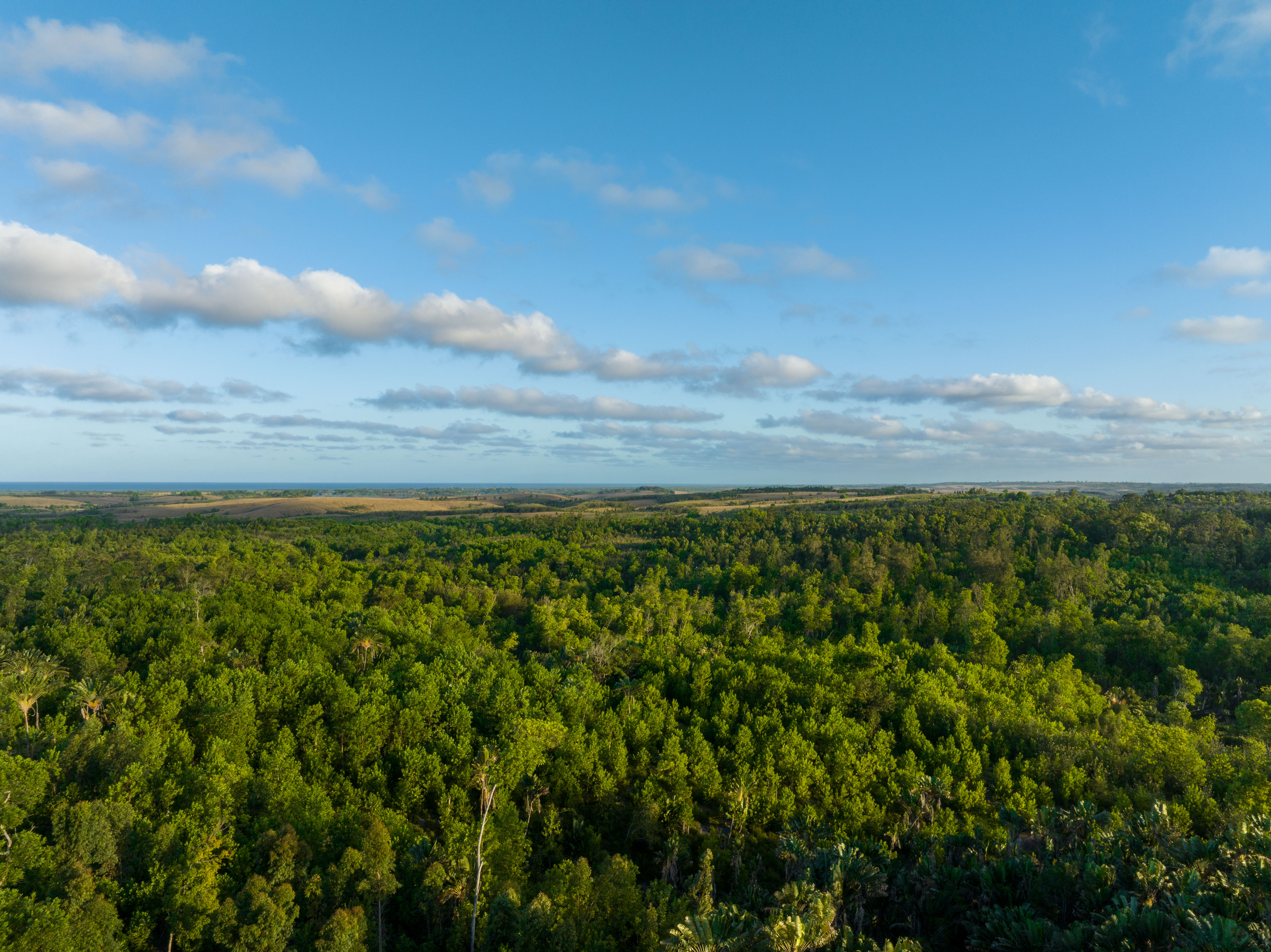
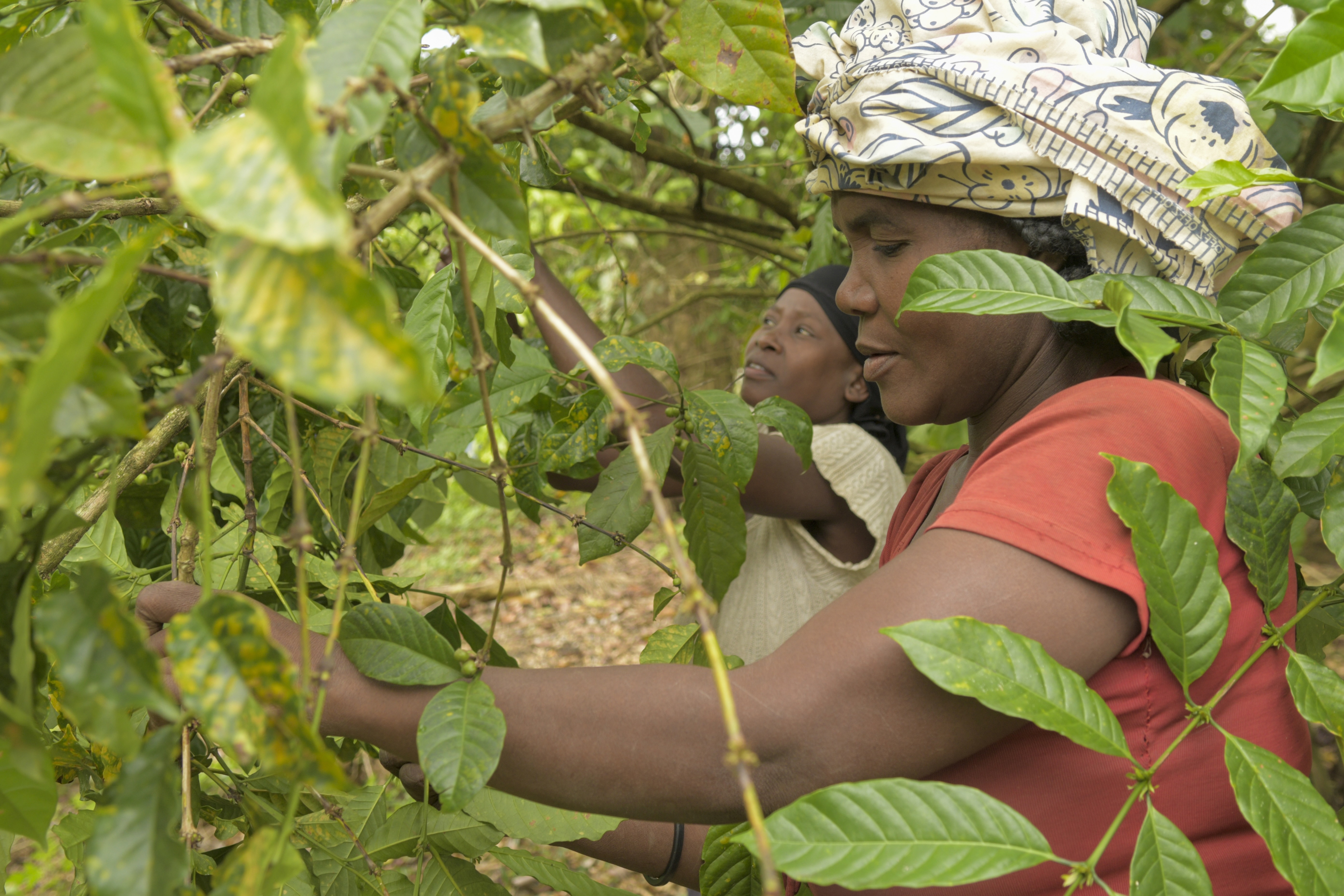
We reforest degraded landscapes, focusing on coffee-centric agroforestry, to reduce the spread of diarrheal diseases and malaria.
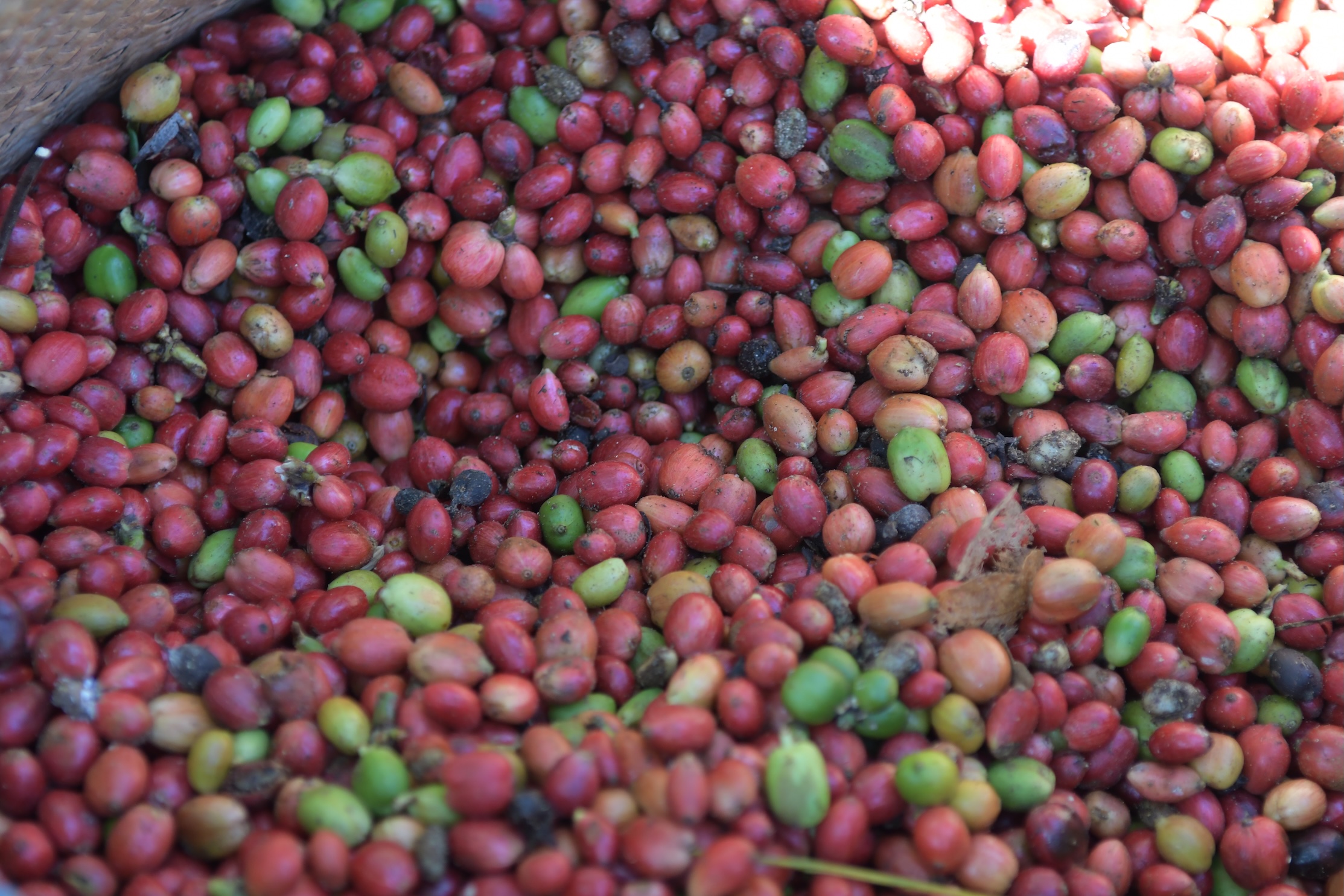
Planting coffee and other trees restores the land's ability to absorb water, reducing both the standing water where mosquitoes breed and the flooding that spreads waterborne illness, all while creating premium fair-wage economic opportunities for these rural communities.
Planting coffee and other trees restores the land's ability to absorb water, reducing both the standing water where mosquitoes breed and the flooding that spreads waterborne illness, all while creating premium fair-wage economic opportunities for these rural communities.

Reforestation as Medicine
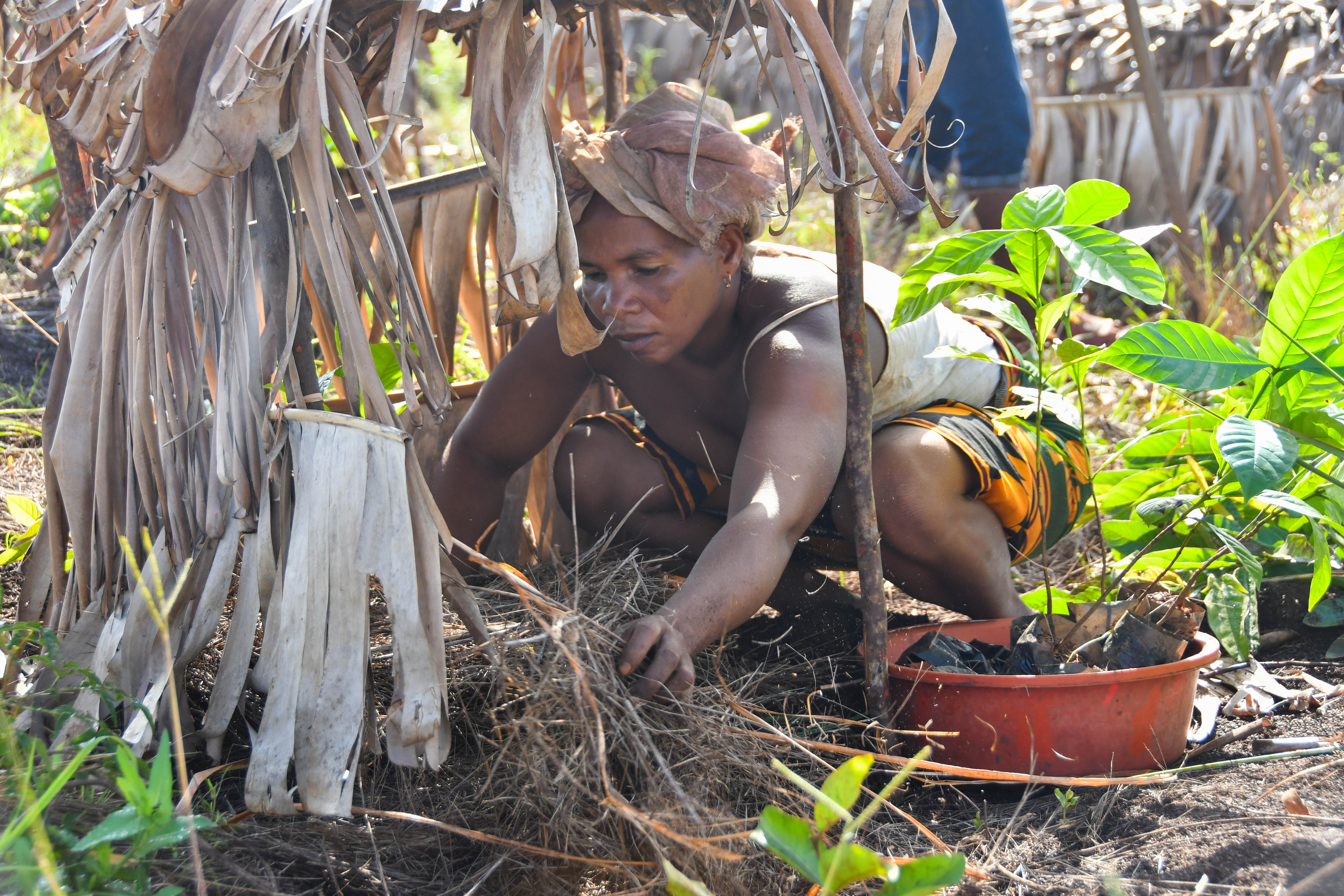
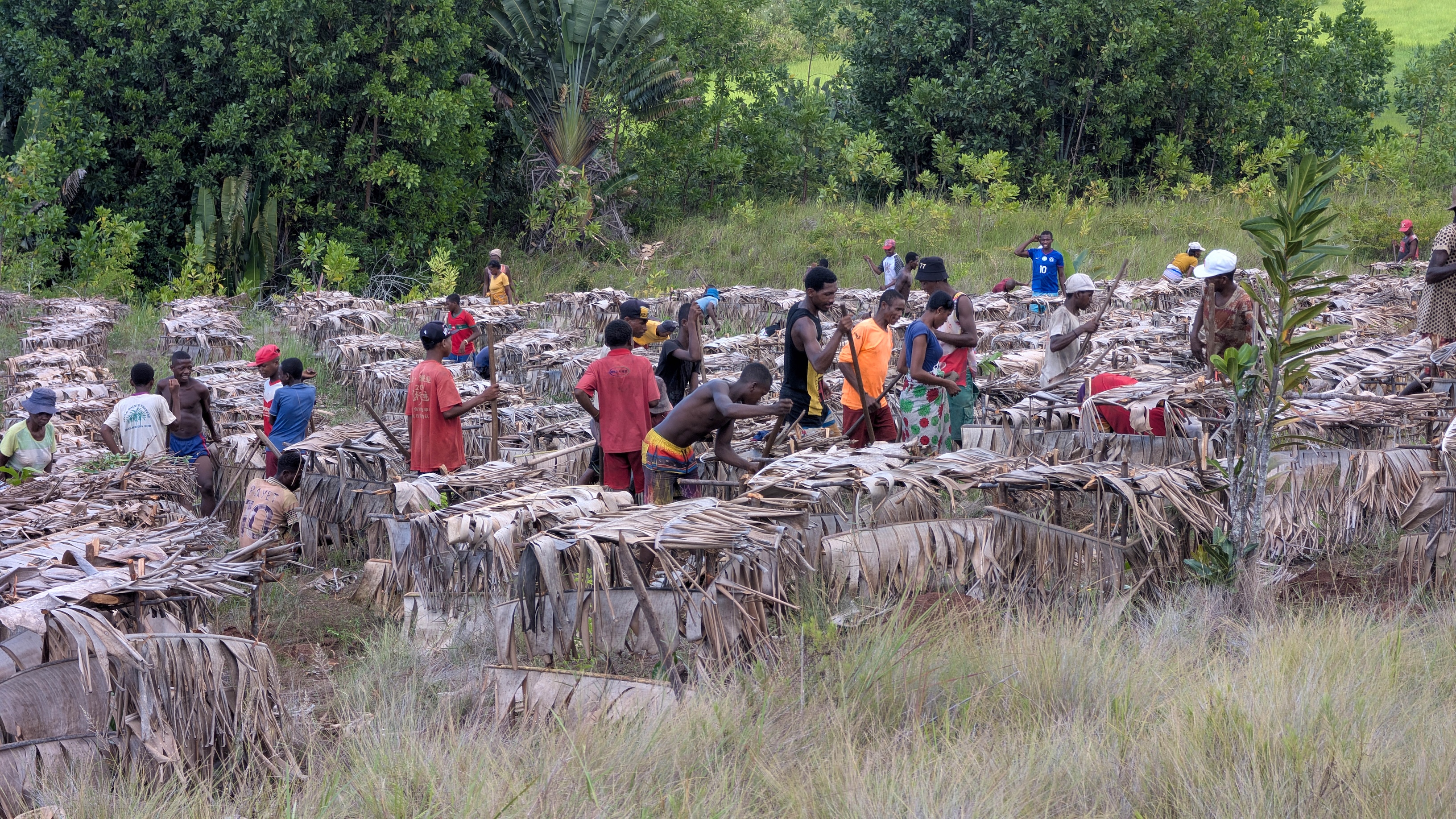
We are planting a polyculture of coffee, bonara, banana, and pigeon pea on deforested land. Tree canopy intercepts rainfall, root systems increase soil infiltration, and evapotranspiration returns water to the atmosphere.
Less runoff means less standing water, fewer mosquitoes, and reduced malaria transmission, while also reducing the flooding that spreads contaminated water and drives diarrheal disease.
Less runoff means less standing water, fewer mosquitoes, and reduced malaria transmission, while also reducing the flooding that spreads contaminated water and drives diarrheal disease.

By the Numbers
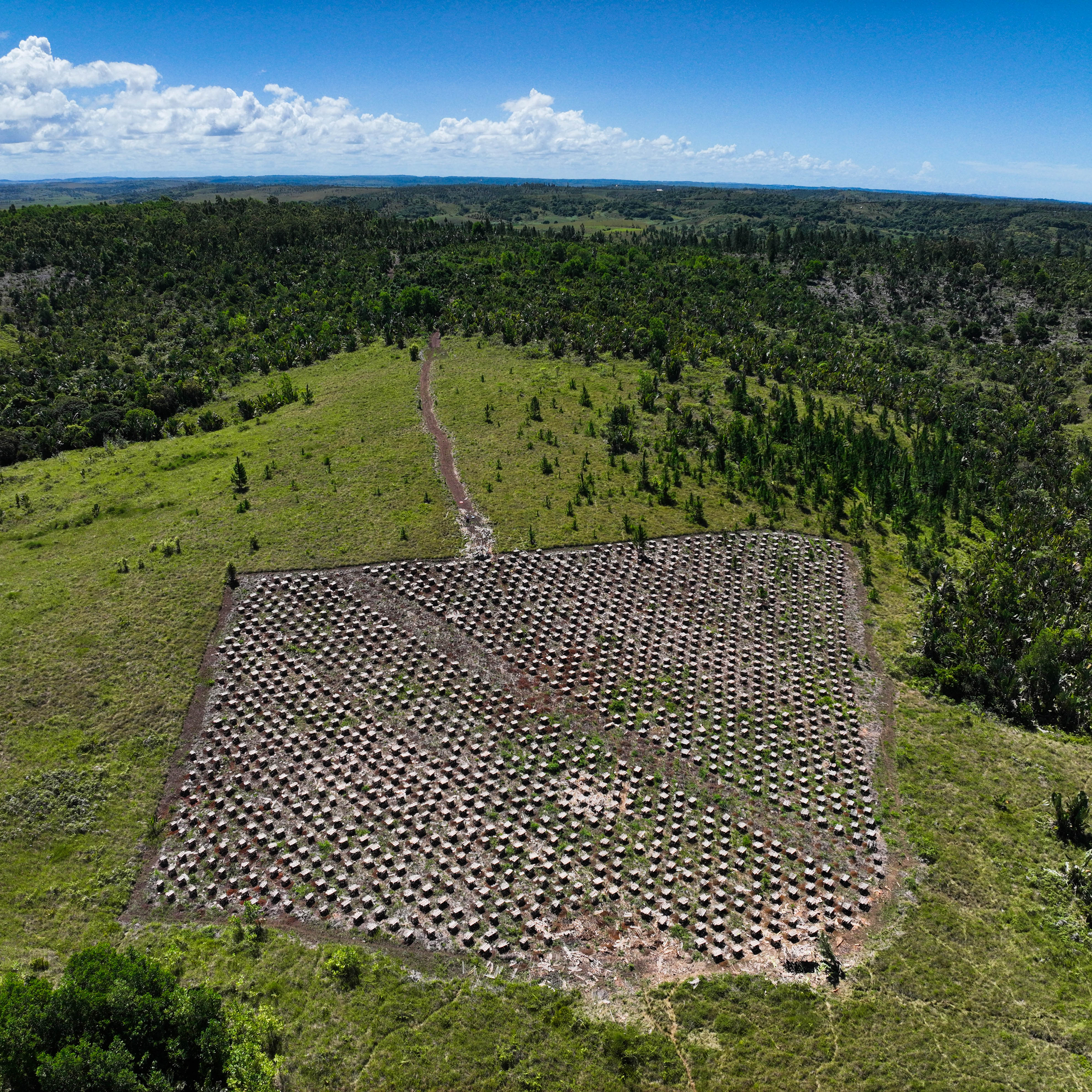
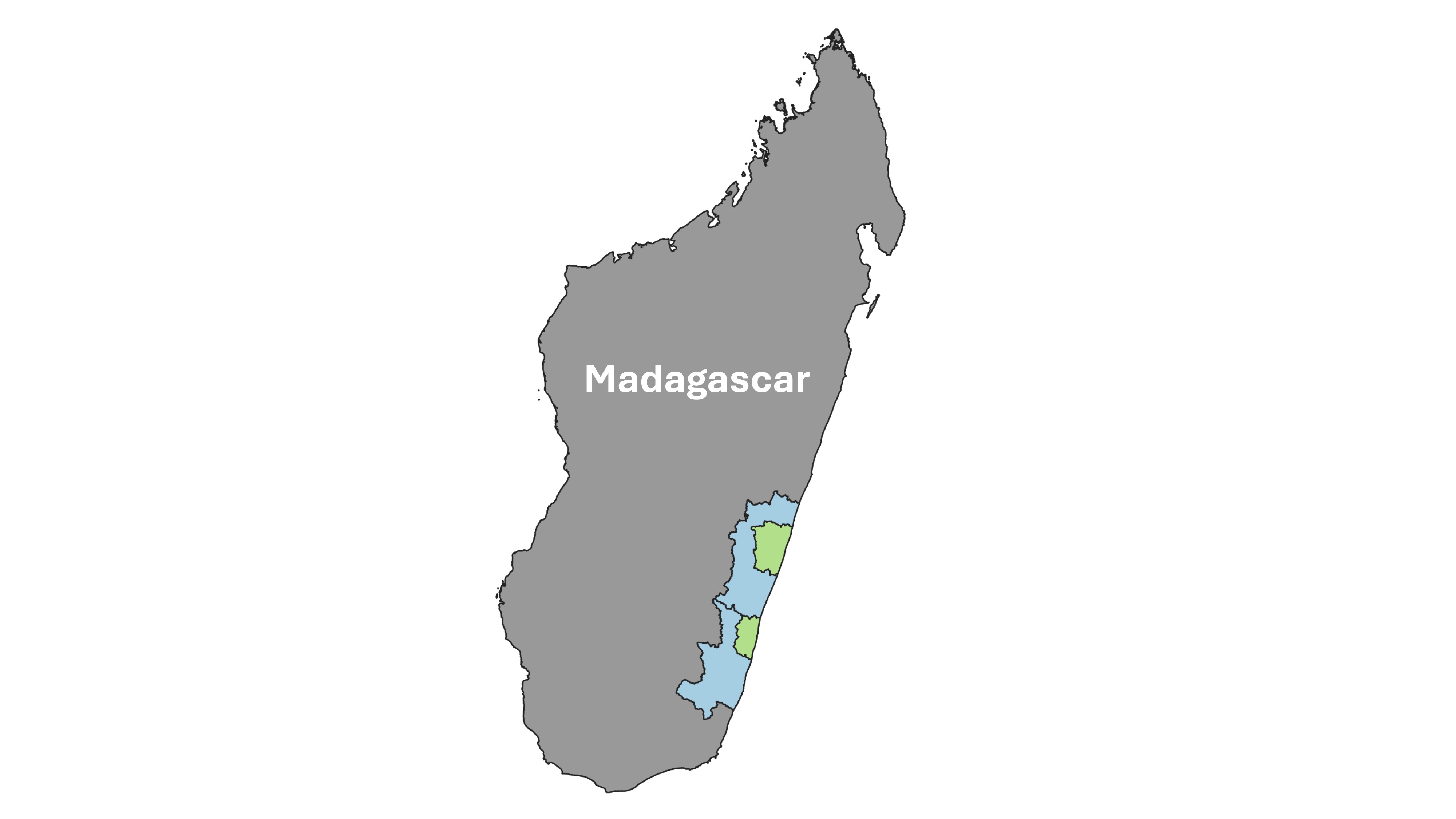
We are actively reforesting 2.5 acres in the Farafangana district and pay farmers double the local wage.
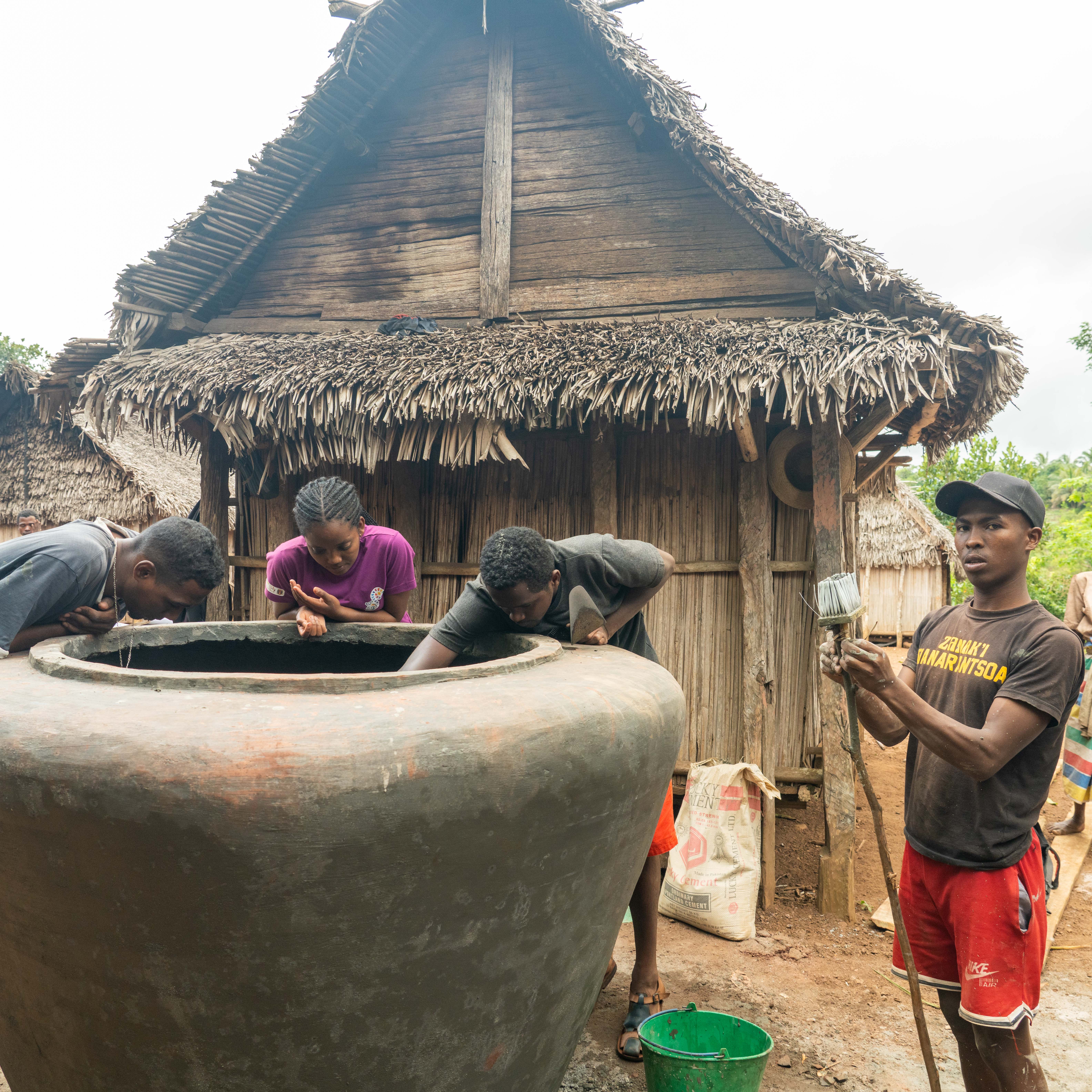
100% of profits from coffee sales are reinvested into clean water infrastructure, including sixty 5,000 liter rainwater harvesting tanks serving three villages.
100% of profits from coffee sales are reinvested into clean water infrastructure, including sixty 5,000 liter rainwater harvesting tanks serving three villages.