[about us]

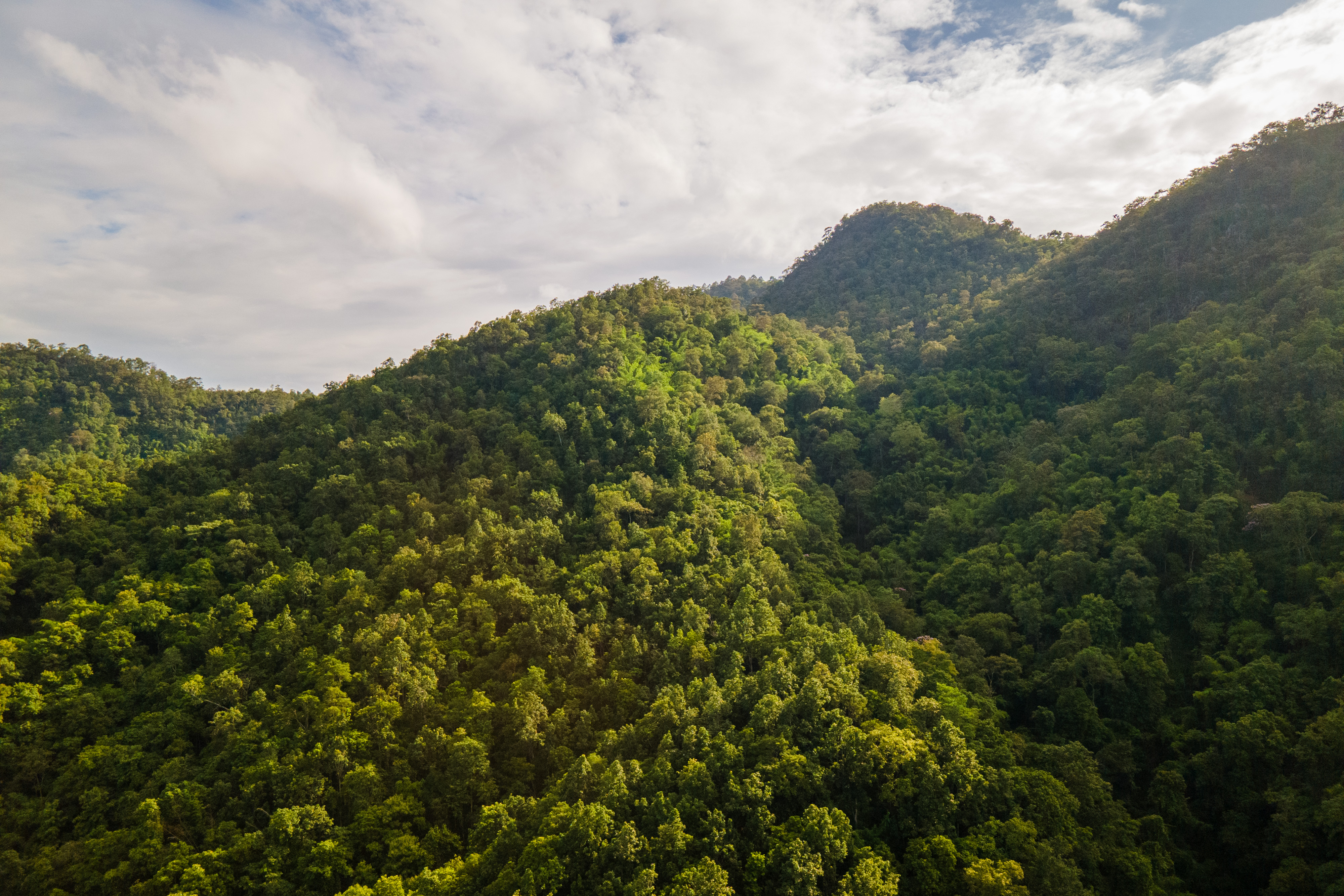
Reforesting degraded landscapes to improve human health.

[Who we are]

What we do.

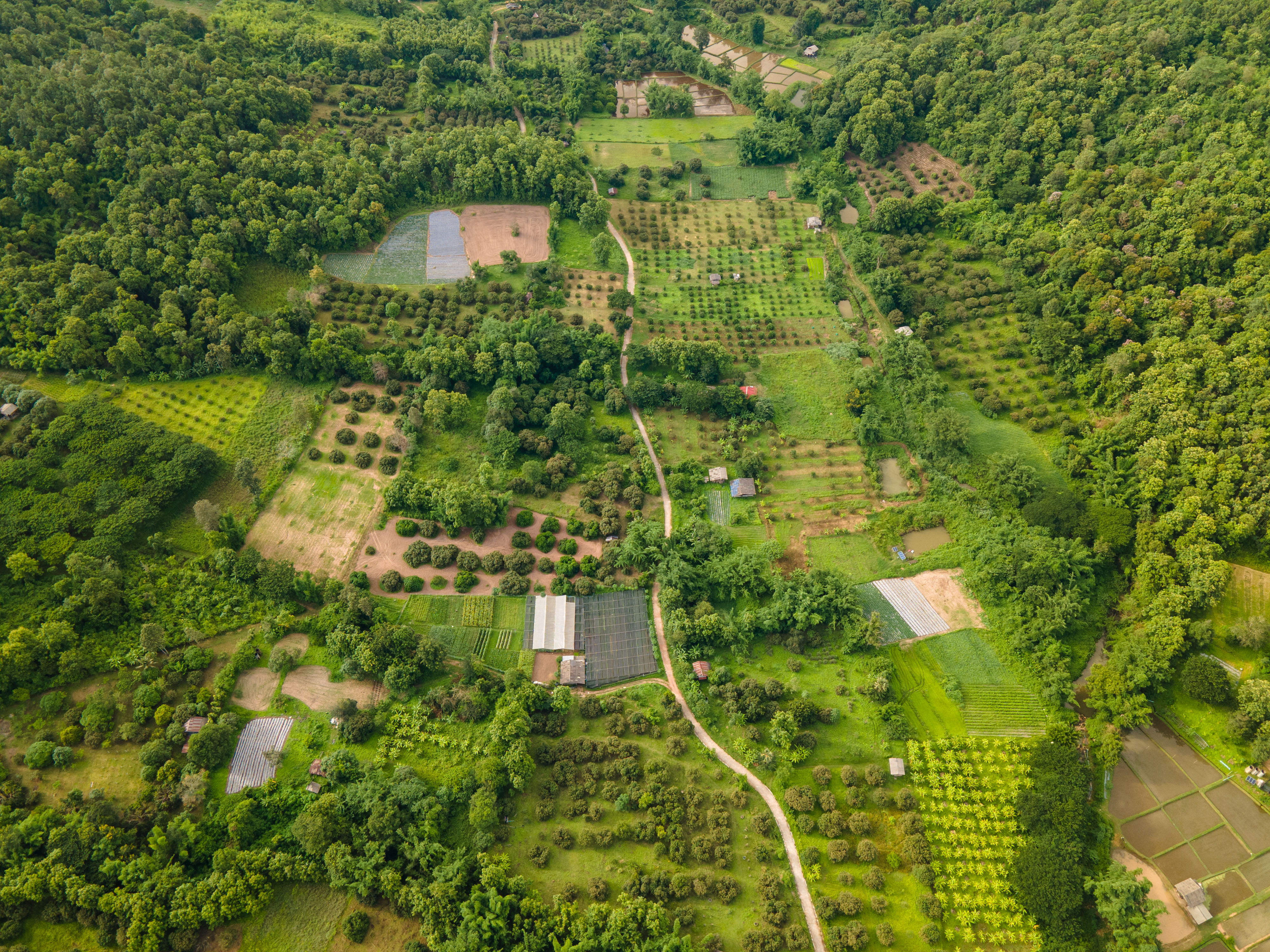
Fractile Institute, Inc. is a 501(c)(3) nonprofit organization driving the reforestation of degraded landscapes to improve health and economic outcomes in Madagascar and Uganda.

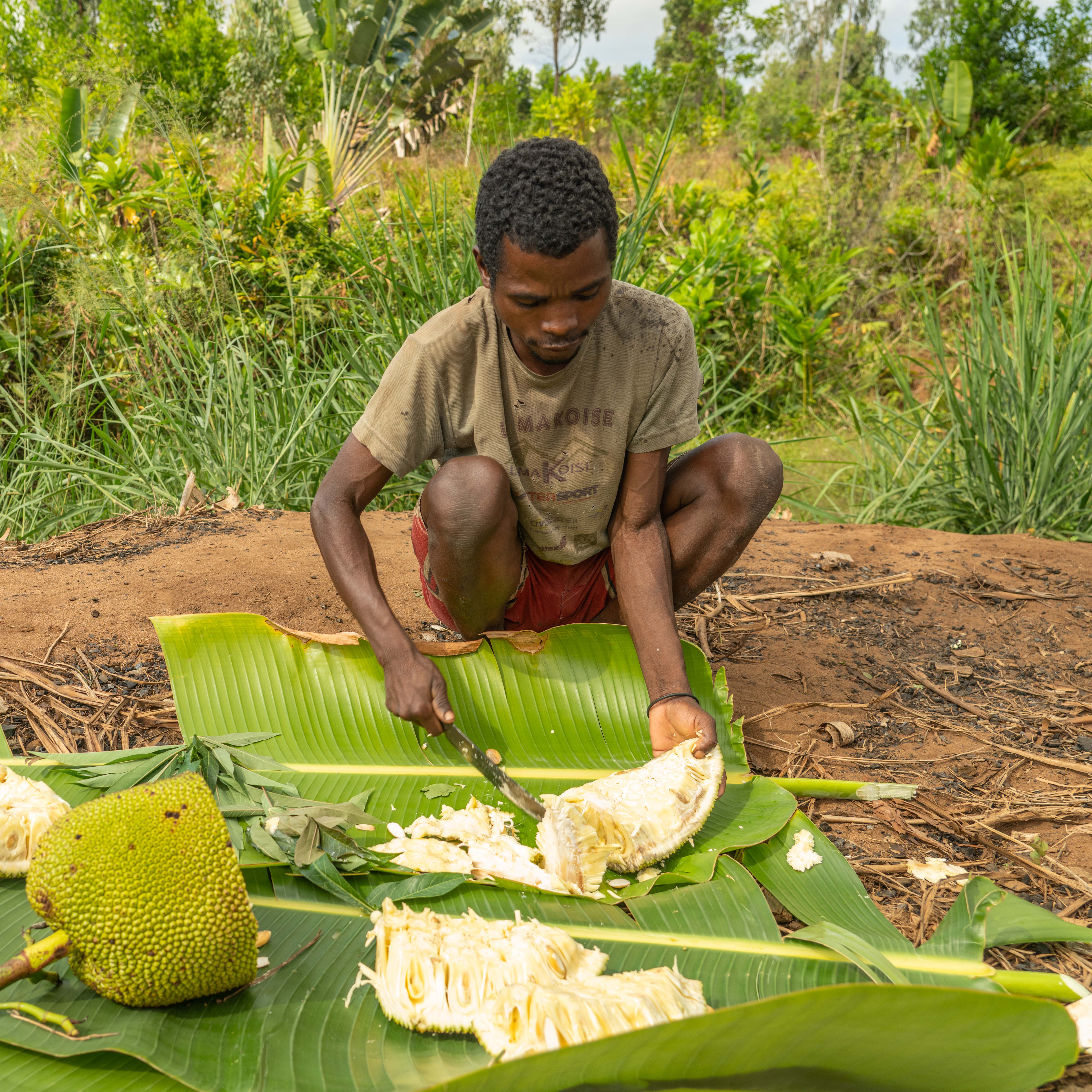
The work on the ground is carried out by Fractile Institute Madagascar and Fractile Institute Uganda, each a registered NGO in its own country. Together, we plant coffee and native trees on degraded hillsides, build rainwater tanks and boreholes, pay field workers roughly twice the local going rate, and test whether restoring forest cover reduces malaria and waterborne disease.
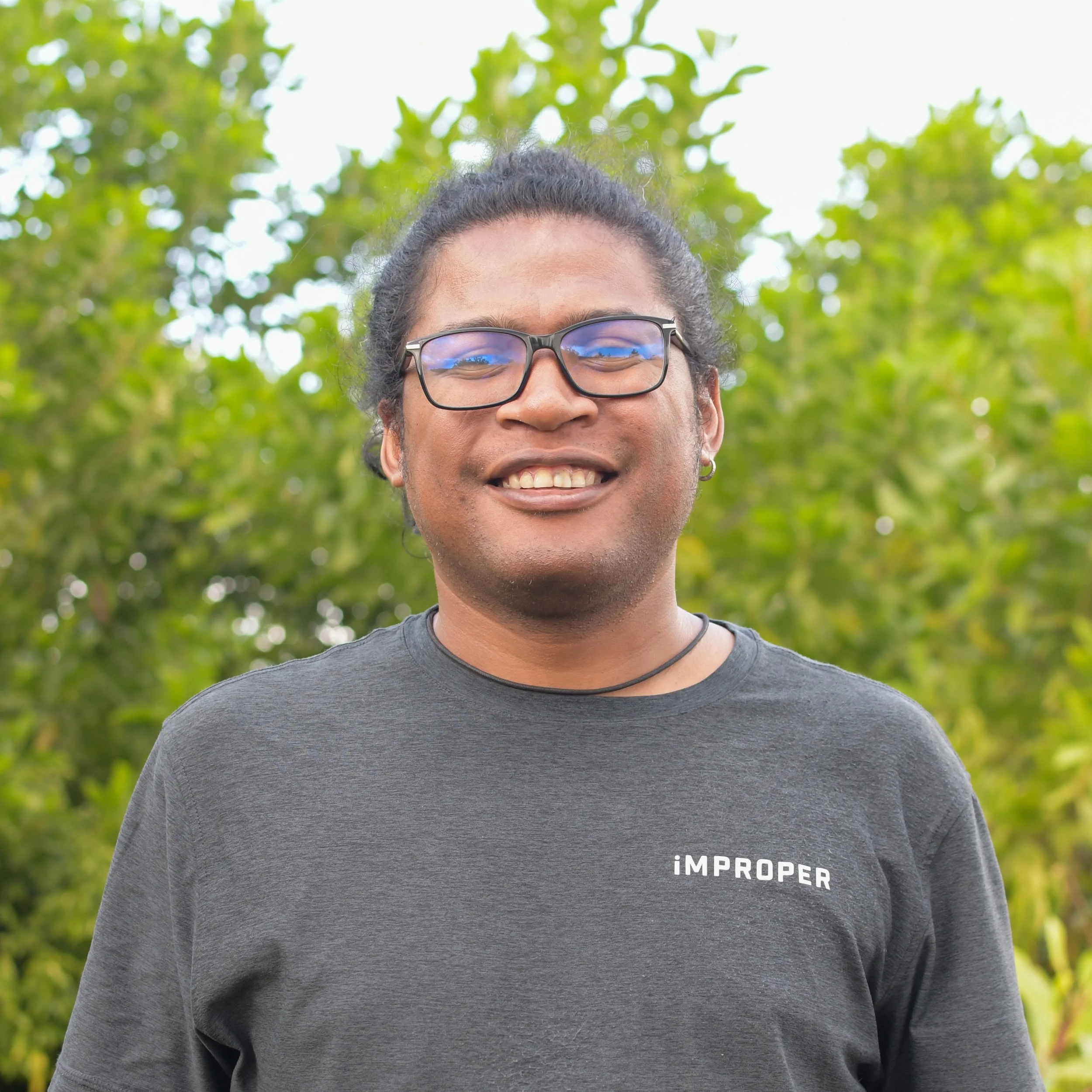
Tojosoa Raherinirainy, Executive Director, Fractile Institute Madagascar
Executive Director Fractile Institute Madagascar
Tojosoa Raherinirainy
Rooted in rural Ihosy, Tojo is dedicated to rural development and planetary well-being. His commitment began at 15, when he co-founded the environmental group Club Masoandro for local tree-planting. A passionate illustrator and photographer, he trained in graphic design in Germany, working for firms like Rova Caviar Company and illustrating seven children's books. His communication skills and international relations expertise were honed over seven years as a Language and Cross-Cultural Facilitator for U.S. Peace Corps Madagascar. He now leverages this experience through his own company, MADEinDAGO, and proudly serves as our Executive Director in Madagascar, merging visual artistry with impactful grassroots service.
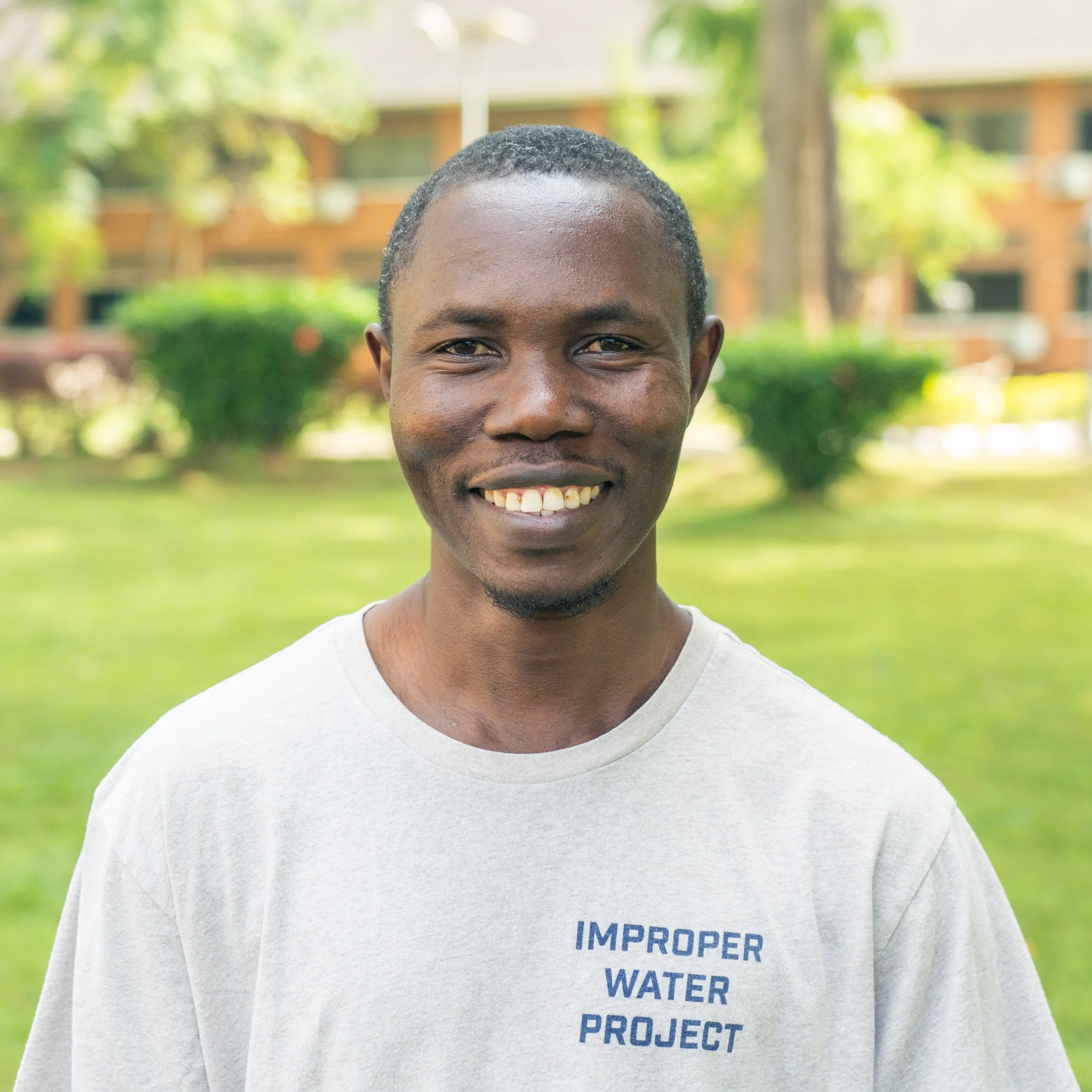
Paul Kato, Executive Director, Fractile Institute Uganda
Executive Director Fractile Institute Uganda
Paul Kato
Growing up, Paul witnessed the harsh reality of poverty and extreme suffering. He saw children dropping out of school because their parents and caretakers couldn't afford fees, farmers losing harvests because they lacked access to credit, storage facilities, fluctuating prices, and families forced into endless cycles of debt. These experiences planted a question in him: What if finance wasn't just about profit, but about dignity, opportunity, and hope? Paul believes access to small loans, savings, storage facilities, steady and good market prices for agri-produce and financial education can help transform lives.
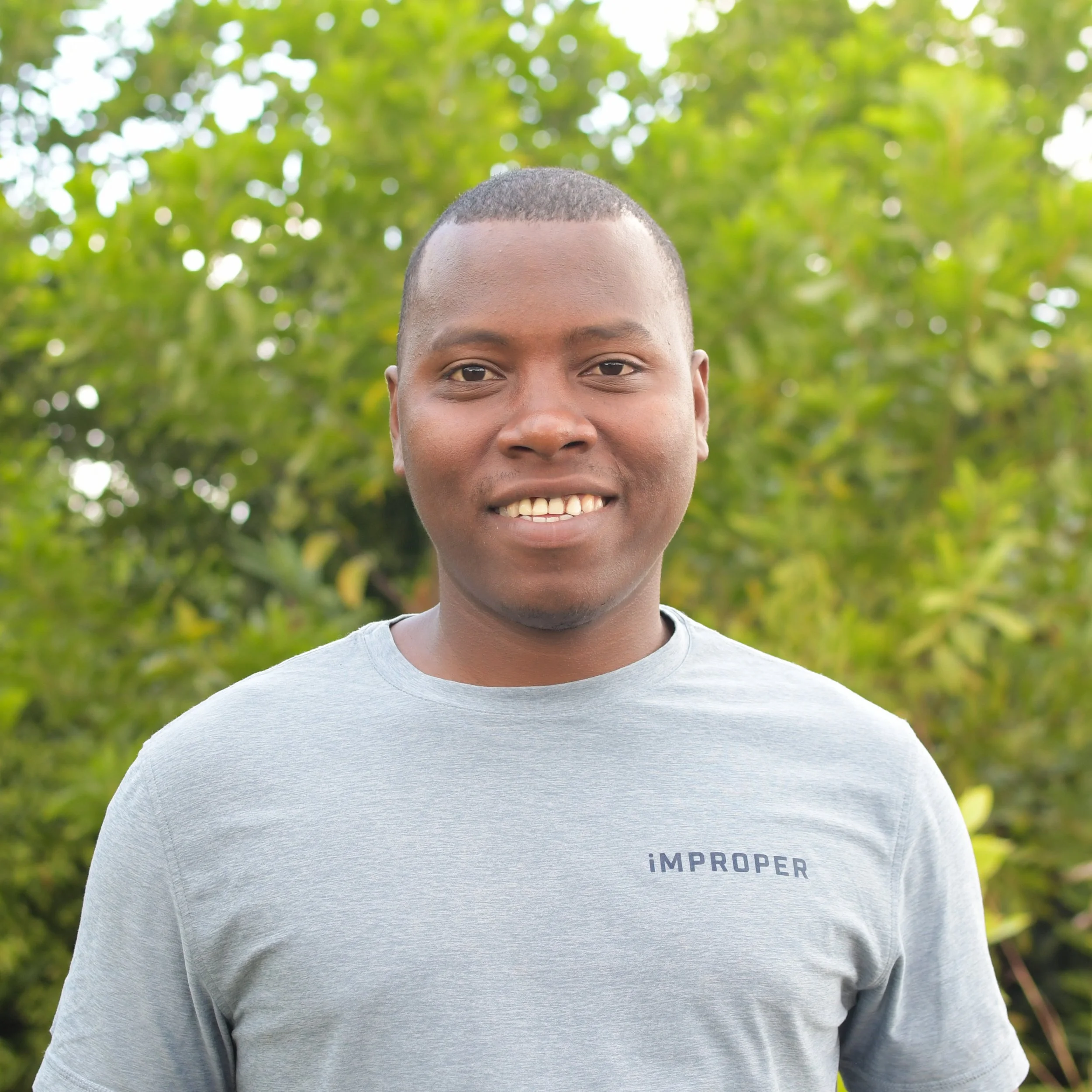
Walter Tianjanahary
Research Director Fractile Institute Madagascar
Walter Tianjanahary
Walter grew up in the southeastern region of Madagascar in a village called Andranovolo-Antsinanana. He obtained his Bachelor's degree and is currently pursuing a Master's degree in Tropical Biodiversity at the University of Fianarantsoa, within the Department of Life Sciences, Faculty of Science. He serves as the Research Director for Fractile Institute in Madagascar. Walter believes that Fractile Institute truly cares about its members and the broader community, while also seeking sustainable ways to support and empower them.
Maurine Awori
Research Director Fractile Institute Uganda
Maurine Awori
Shaped by firsthand experiences in water scarcity in a rural community in eastern Uganda, Maurine is driven by a strong commitment to expanding access to clean and reliable water through groundwater development. She holds a bachelors degree in Water Resources Engineering from Busitema University, Uganda. Currently, she is engaged in groundwater research in northern Uganda, focussing on improving access to safe and sustainable water for undeserved communities. She is passionate about developing practical, community-centred solutions and believes that Fractile Institute will play a vital role in advancing its vision of providing clean and safe water to less privileged communities world wide.
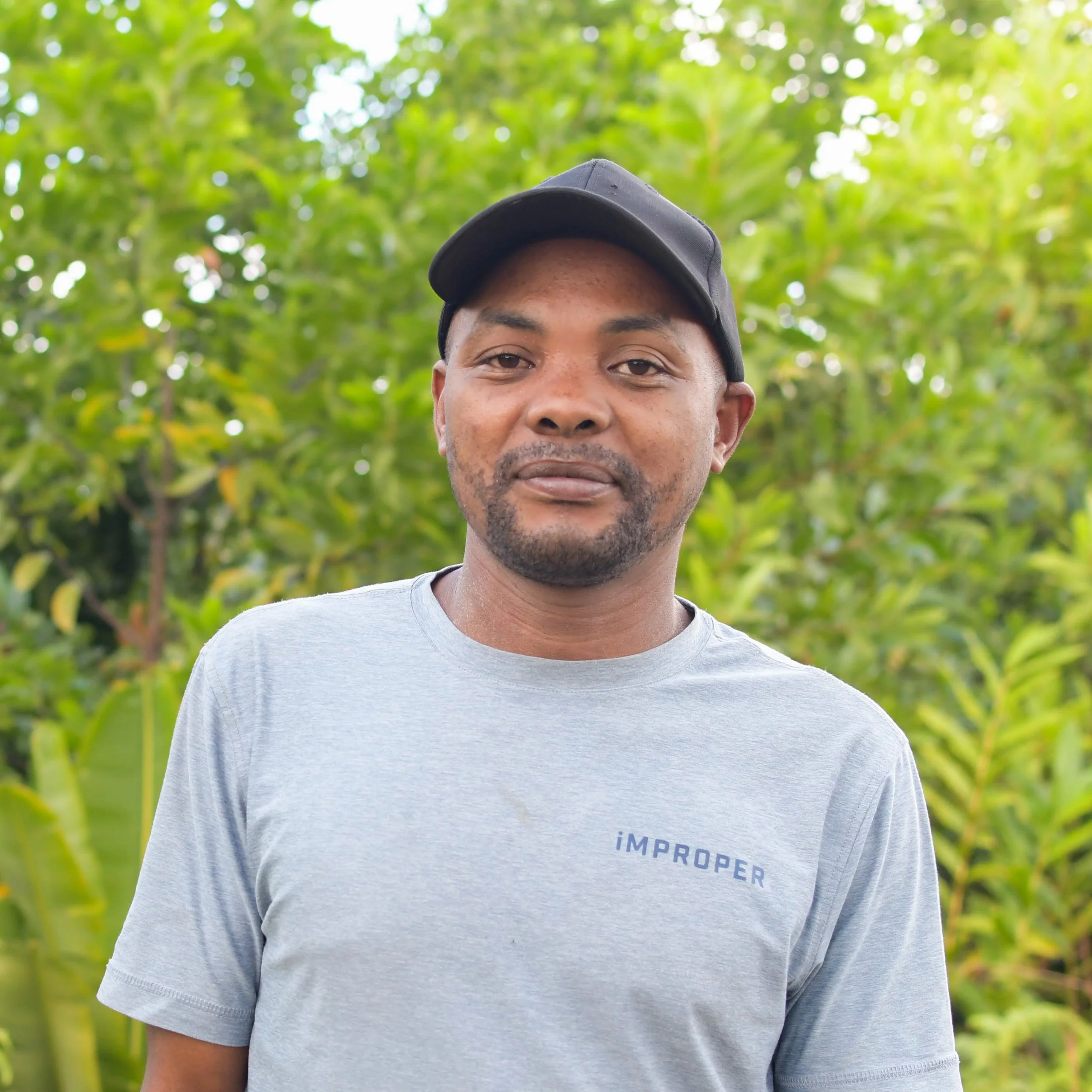
Joseph Randrianantenaina
Field Director Fractile Institute Madagascar
Joseph Randrianantenaina
Joseph lives in Maropanahy, Manarbo Commune. He oversees all of Fractile Institute's on-the-ground agroforestry operations. In Joseph's words, “Fractile Institute is an NGO, where I have seen many benefits already. Fractile Institute helps me a lot in my life, and it also helps my wife and children.” Without Joseph, there would be no coffee!
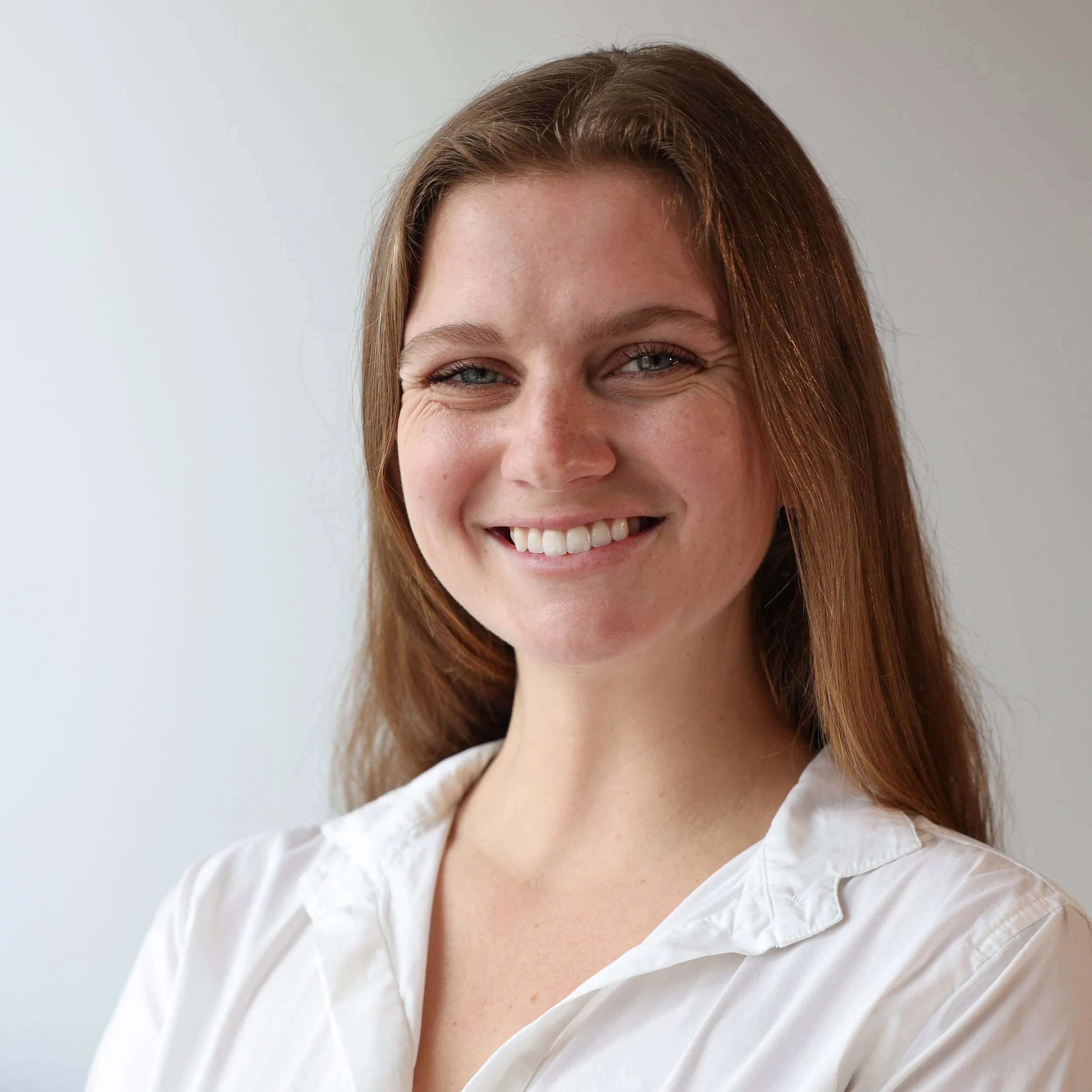
Hannah Connelly, Chairwoman, Fractile Institute
Chairwoman
Hannah Connelly
Hannah has deep experience and a strong passion for decarbonization solutions that provide community co-benefits. After studying Applied Mathematics and Environmental Engineering at UCLA, she spent several years advising major corporations on reducing emissions across their supply chains. She currently works at a climate-focused asset manager that invests in carbon markets, aiming to drive down global emissions by pricing pollution and holding emitters accountable. Hannah's passion for nature, and her commitment to implementing nature-based solutions that deliver community benefits, stems from a childhood spent deeply connected to the mountains and beaches of Northern California, linking directly to Fractile Institute's mission to improve human health and livelihoods through reforestation.
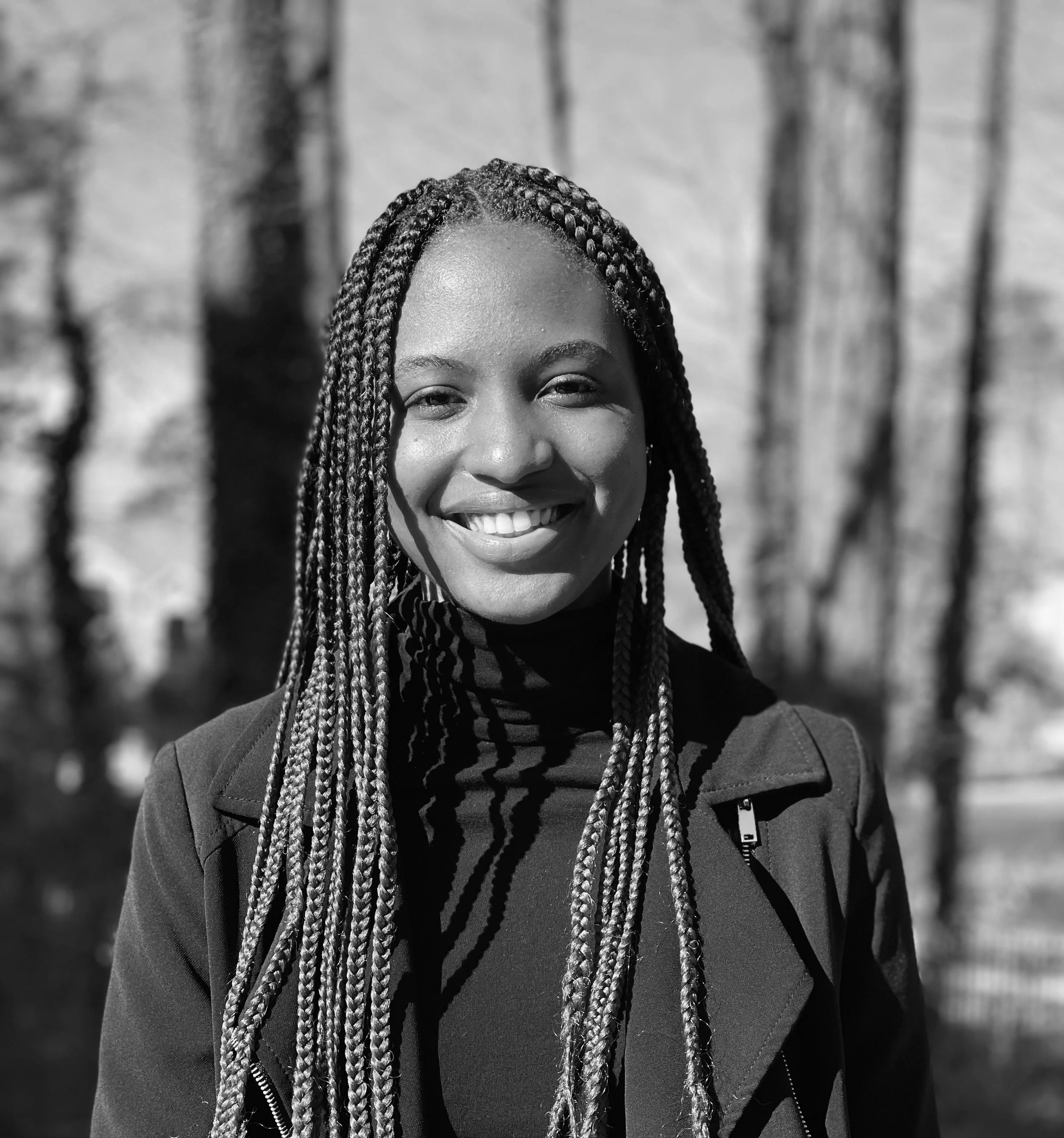
Sashoy Milton
Board Member
Sashoy Milton
Jamaican-born and raised, Sashoy's passion for environmental justice stems from her Caribbean roots and her commitment to protecting vulnerable communities from environmental hazards. She holds a Master's in Environmental Management from Duke University, where she was awarded the prestigious Nicholas Scholar distinction, and currently serves as Associate Health Scientist II at Stantec. She views Fractile Institute as a vital platform to advance One Health approaches—recognizing the interconnectedness of human, animal, and environmental health—while amplifying voices from marginalized communities who are disproportionately affected by environmental inequities.
Fiona Griffin
Board Member
Fiona Griffin
Fiona was raised in Boston, MA, where her feeling of purpose derived from service and civic engagement with her city. Academics led her to UCLA in Los Angeles, CA, where she focused on genetics and society. After completing a Master's in Bioethics at Columbia University, NY, she enrolled at the Warren Alpert Medical School of Brown University, RI, where she is a third-year medical student. She is currently exploring OB/Gyn, Reconstructive Surgery, and Family Medicine. Fiona hopes to contribute a bioethical and health-focused lens to Fractile Institute and fulfill her purpose serving others.
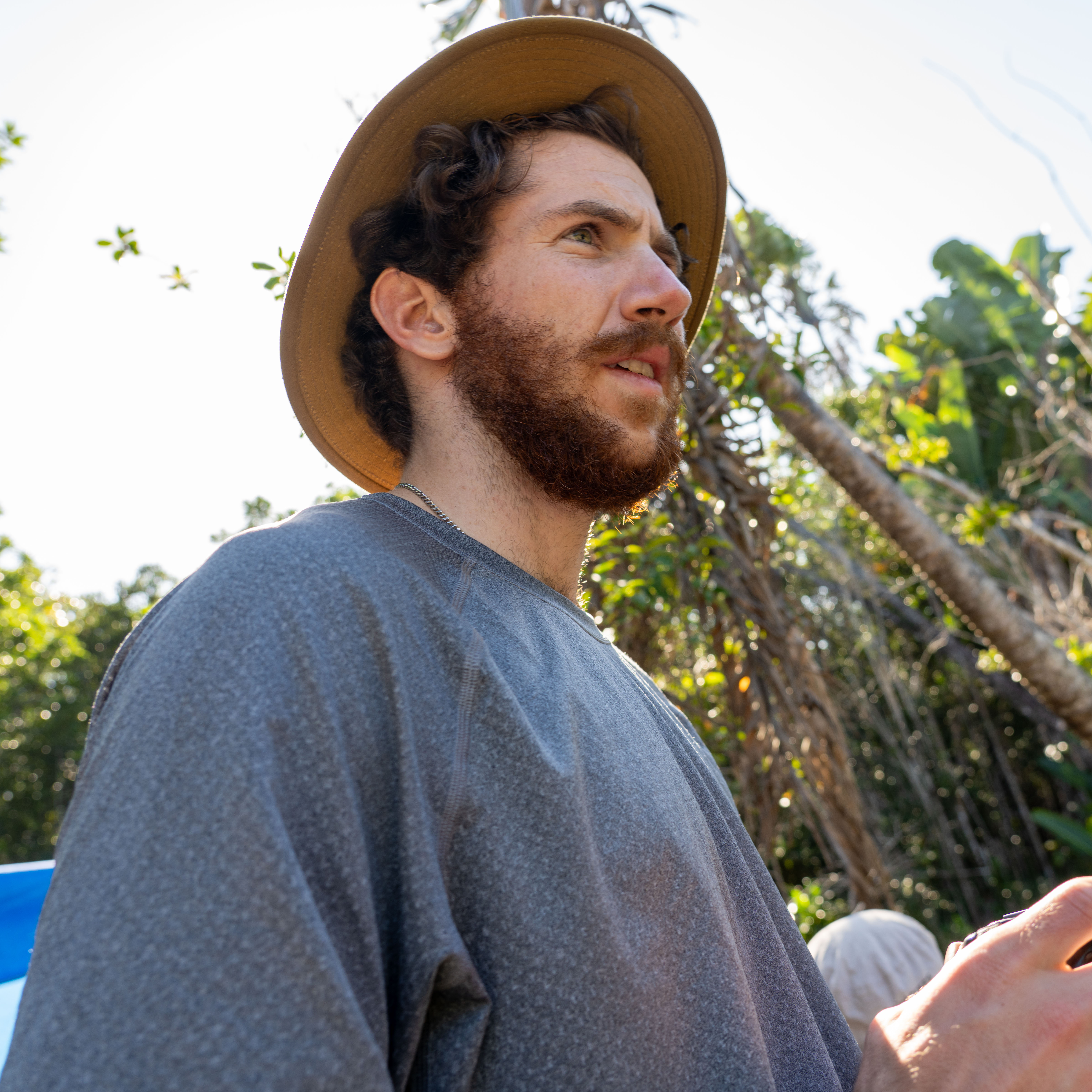
Ryan Parks, President, Fractile Institute
President
Ryan Parks
Ryan grew up in the South Bay of Los Angeles, where he learned to appreciate the natural world and how to work with marginalized populations. He is currently a graduate student researching hydrologically mediated health effects among rural communities in sub-Saharan Africa. Ryan views Fractile Institute as an outlet to channel his interests in creativity and the environment into a mission of serving others.
[what we have built]

On the ground in two countries.

In Madagascar, 2.5 acres of land has been reforested and sixty 5,000 liter rainwater harvesting tanks have been constructed across three villages.

In Uganda, 1.3 acres of degrades land is under restoration and a deep-water borehole serving 4 villages has been drilled.
Agroforestry
Reforestation
Clean Water
Disease Surveillance
Premium Wages
Field Research
[how we work]

Run by the people who live there.

The Malagasy and Ugandan teams are salaried and work year round. Every program is delivered by people who live in the communities it serves, not by visitors who leave when the season ends.
arrow rightarrow right
The Process
Geotagged, timestamped records for every tree planted
Drinking water tested at the source, not reported second hand
Salaried local teams in both countries, working all year
Every field expense documented against a receipt and reconciled monthly
Restored
forests
Fractile Institute
healthier communities
“Fractile Institute isn't just an employer. It's a space where I'm allowed to be fully myself. I found a place where two of my deepest aspirations finally have room to breathe: putting my skills and knowledge in service of rural development and planetary health, and growing as a person first.”
Tojosoa Raherinirainy
Executive director
Fractile institute madagascar
[success stories]

Comments from Our Collaborators

Duke PlanetLabDuke University

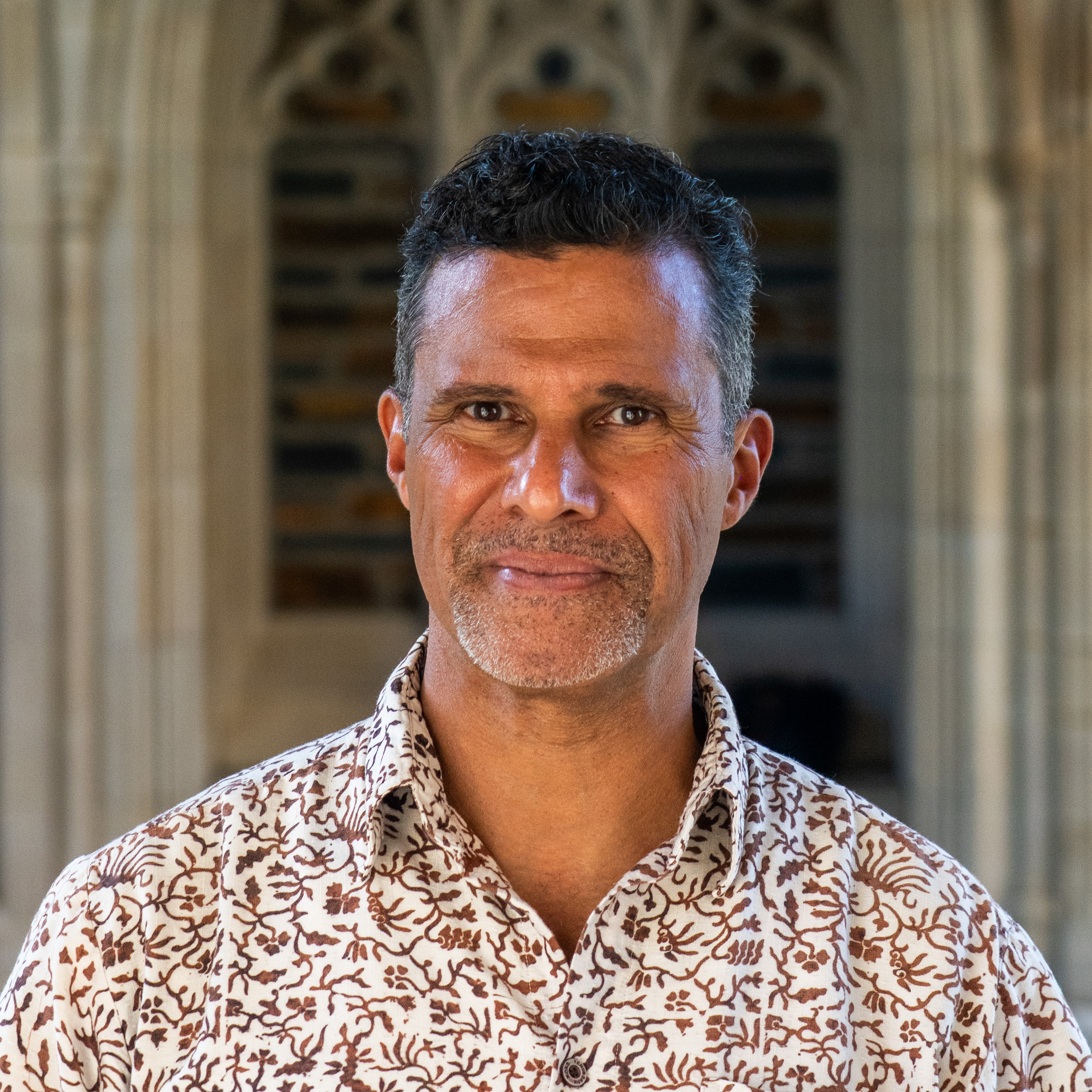
“The Fractile Institute promises to take the lessons learned in the realm of academic research on Planetary Health out of the Ivory Tower and into the real world, where real people are facing real problems. While the Duke University PlanetLab is a team of researchers working diligently to understand very complex problems associated with global environmental change, we are not in the business of implementing solutions. For that, we need partners like Fractile that are experienced in the regions where they work and have strong connections with local leaders who understand the environmental and social nuances. This is one pathway of many required that will help us to make headway on reducing suffering due to global change.”

Brian McAdoo
Brian McAdoo, Ph.D.
Principal Investigator, PlanetLab
Professor of Geoscience, Duke University
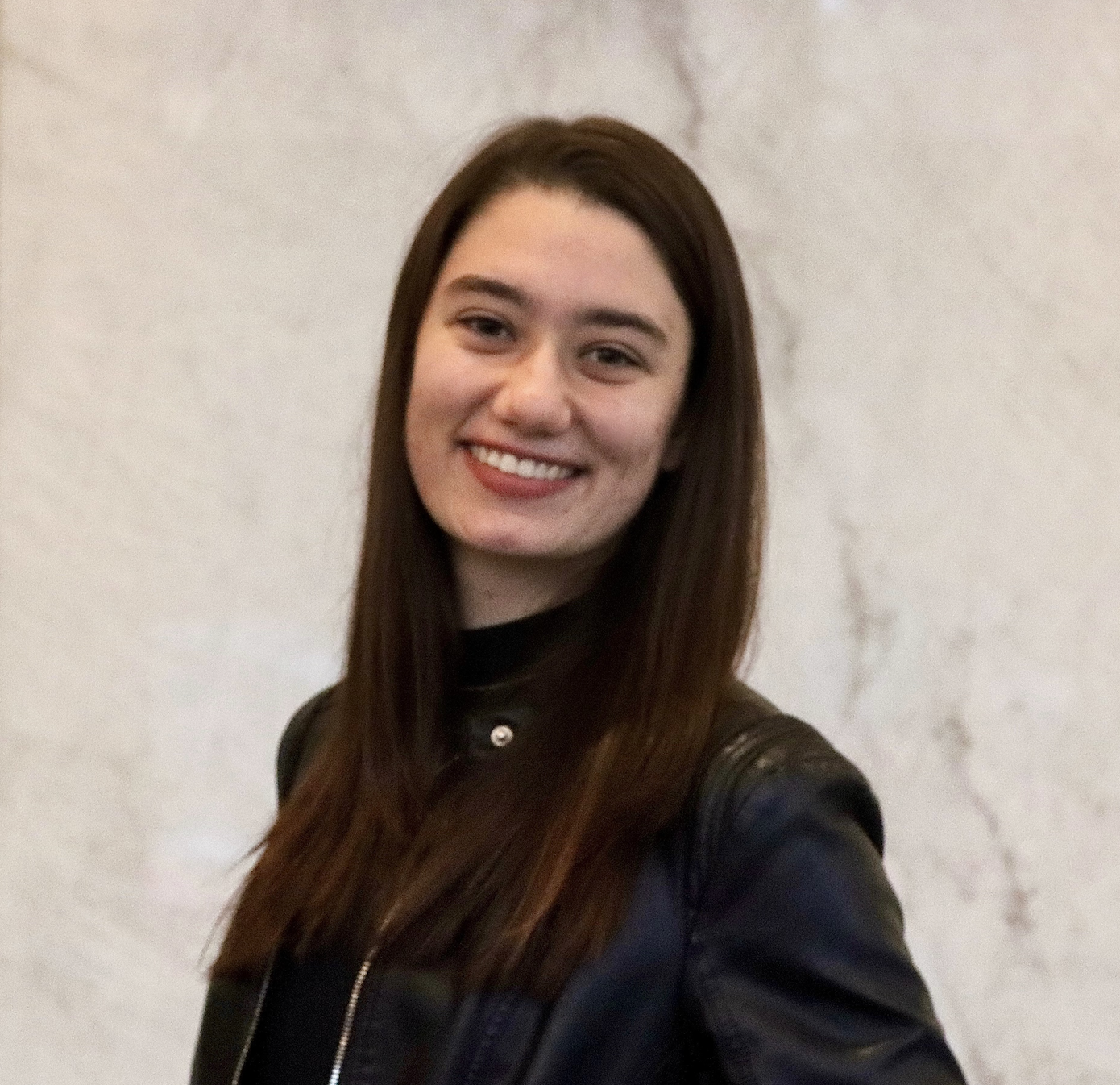
“We’re proud to support the Fractile Institute’s mission to restore degraded landscapes, expand access to clean water, and improve health and livelihoods in under-resourced rural communities in Madagascar and Uganda. By bringing Acorn’s molecular testing technology into the field, we hope to give Fractile better tools to understand water quality and measure their work's real-world impact. Meanwhile, their projects give us the opportunity to deploy our technology where it can make a meaningful difference in people’s lives.”
Ana Cornell
Founder & CEO, Acorn Genetics
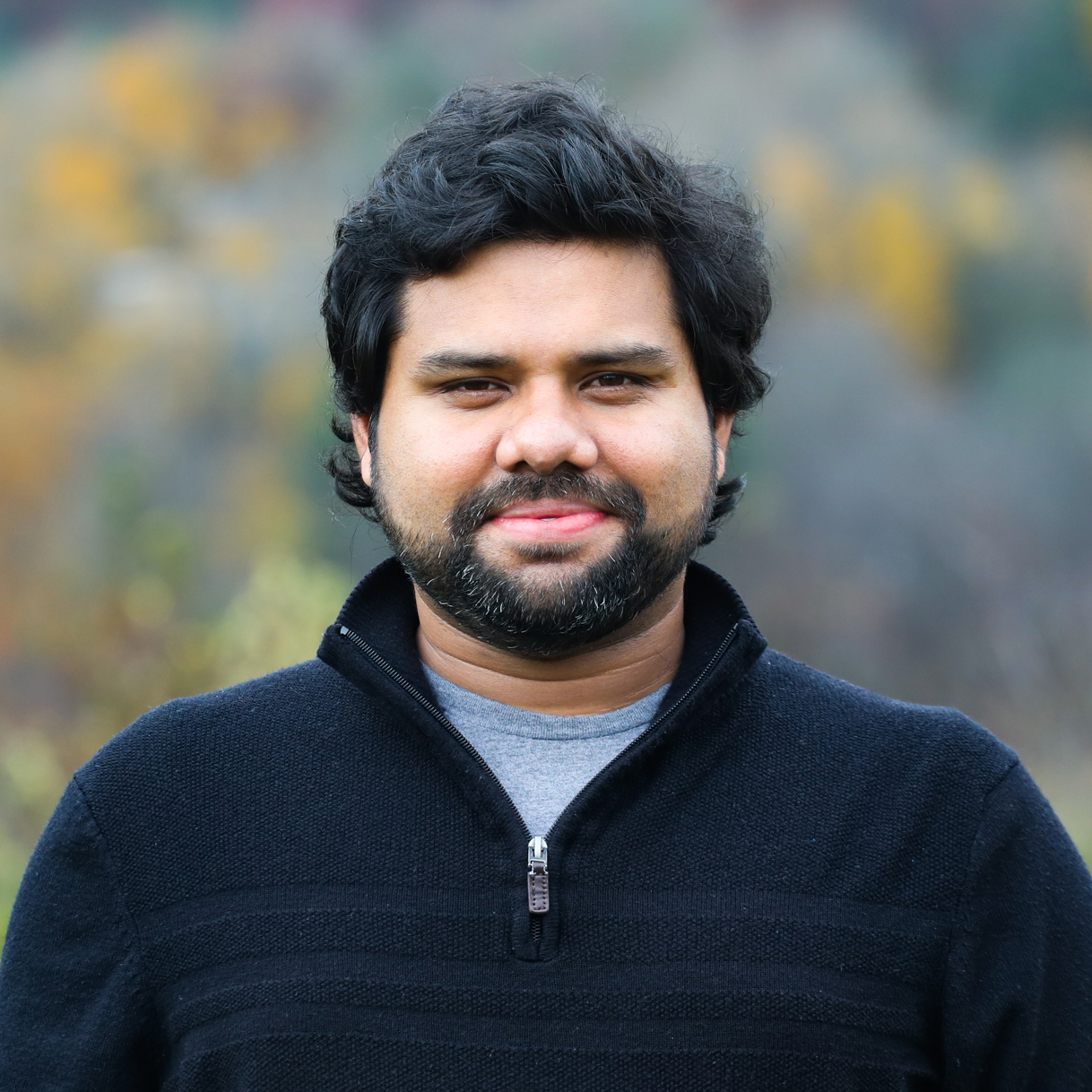
"Born and raised in Bangladesh, I am deeply committed to using science and technology to address environmental challenges and improve the lives and livelihoods of vulnerable populations and communities. I greatly appreciate Fractile Institute’s humanitarian work in Uganda and Madagascar and am excited to support its mission to develop locally grounded, impactful solutions that improve people’s lives."
Sharif Islam, Ph.D.
Postdoctoral Research Associate, MIT
arrow rightarrow right
[support the mission]

Grow the forest that fights disease.

Fractile Institute is a 501(c)(3) nonprofit working in Madagascar and Uganda. Every gift is documented against a receipt and put to work. Trees in the ground, tanks in villages, wages paid fairly.
Donate now
Donate now