











[how we work]
Rooted in Communities.
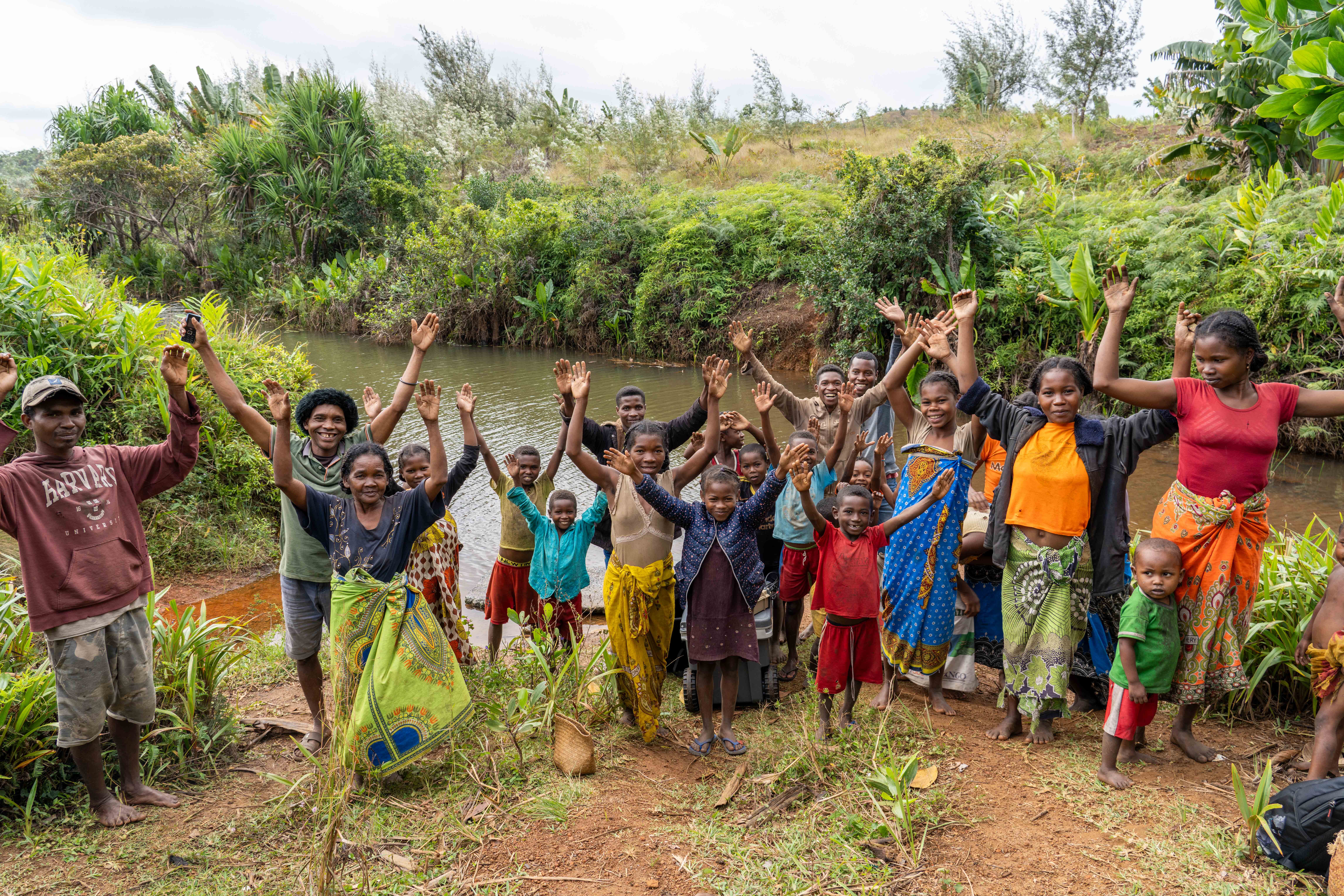
Our Malagasy and Ugandan teams work year-round — planting coffee agroforests on degraded hillsides, protecting drinking water, and tracking the diseases that follow broken landscapes.
reforestation
clean
water
reduced malaria exposure
reduced diarrheal
exposure
improved health
outcomes
Four programs, one goal: landscapes that sustain the people who live in them.
Reforestation and agroforestry
Reforestation & Agroforestry
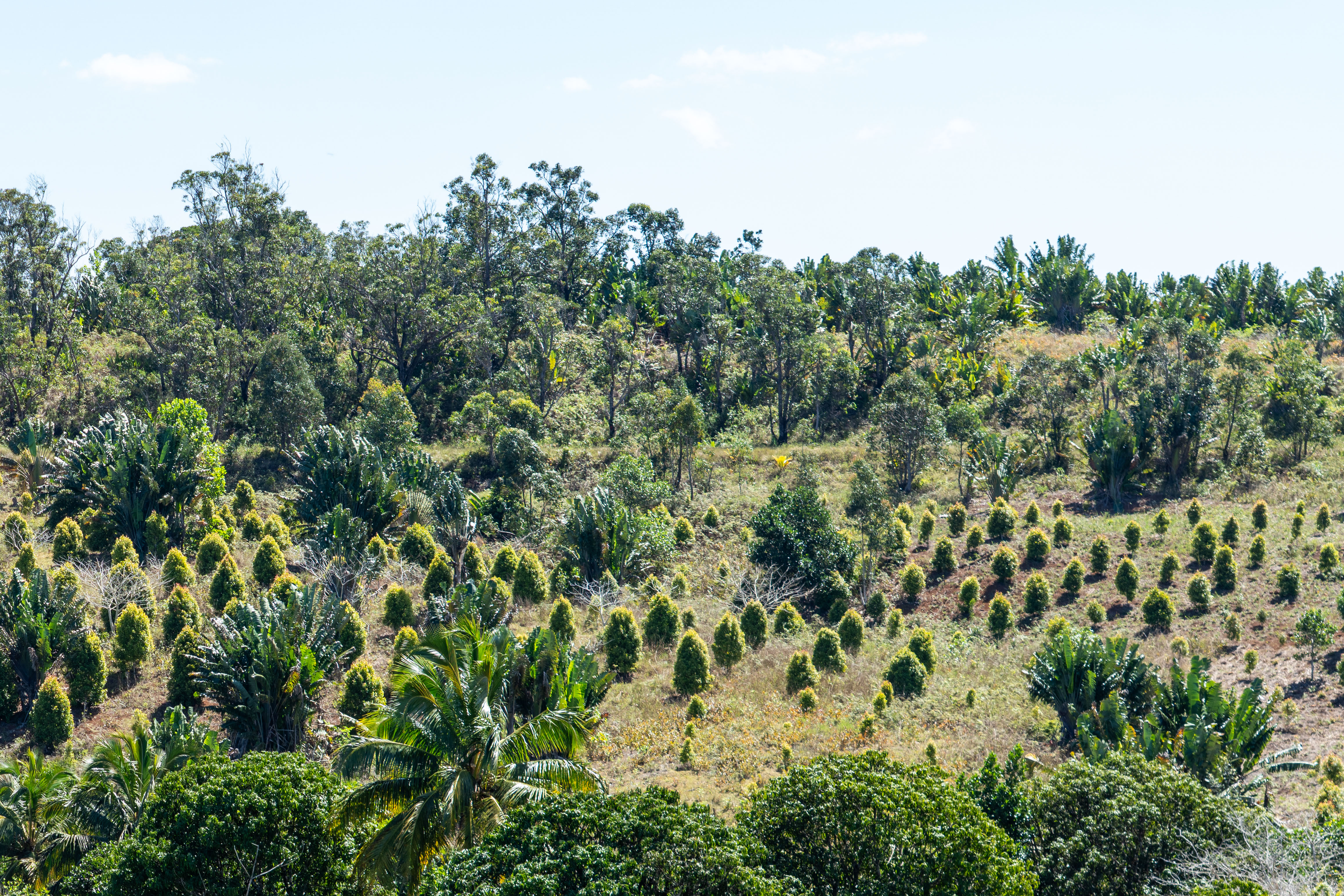
Planting native trees and shade-grown coffee on degraded hillsides in Madagascar — restoring watersheds while building farmer income.
Clean water
Clean Water
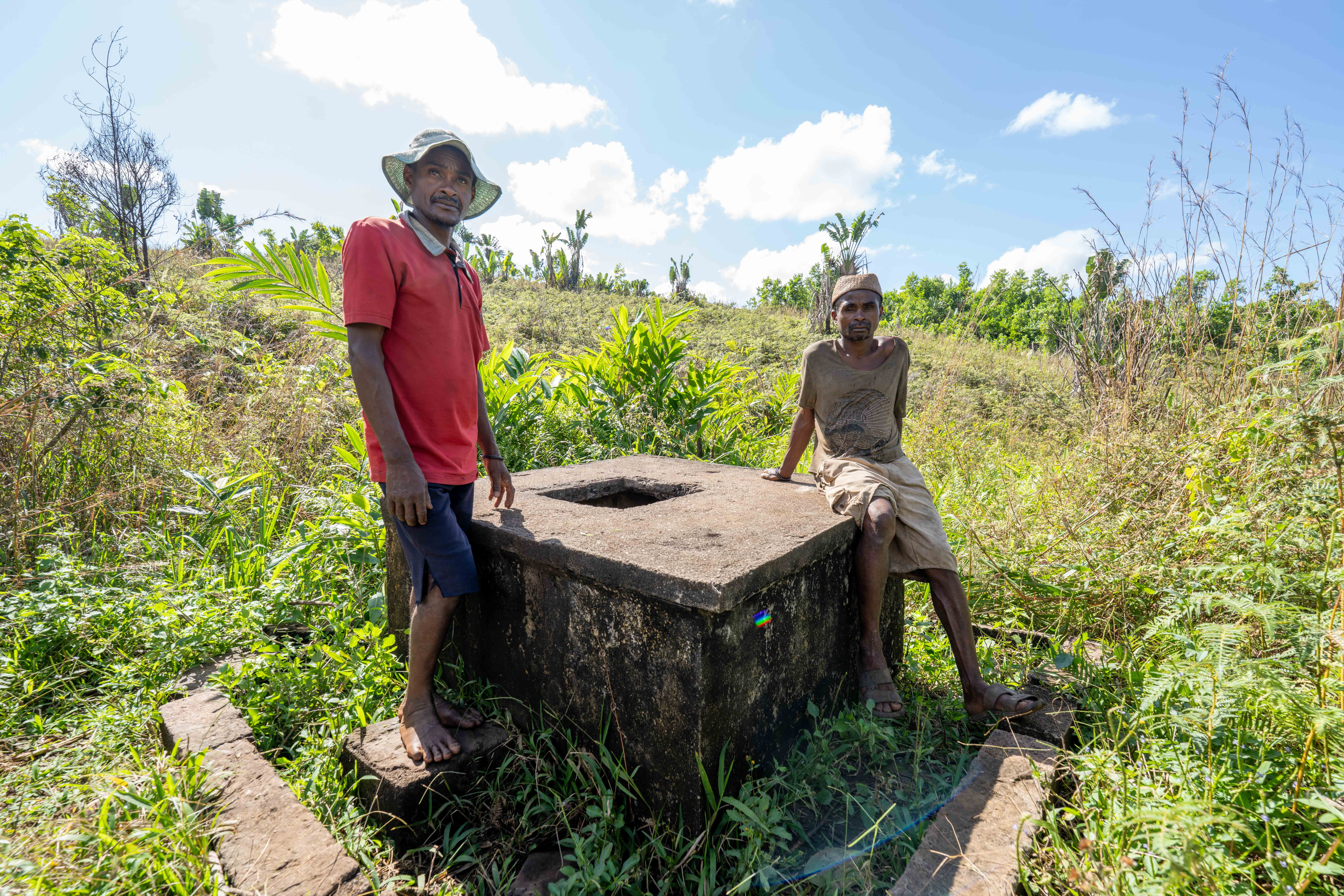
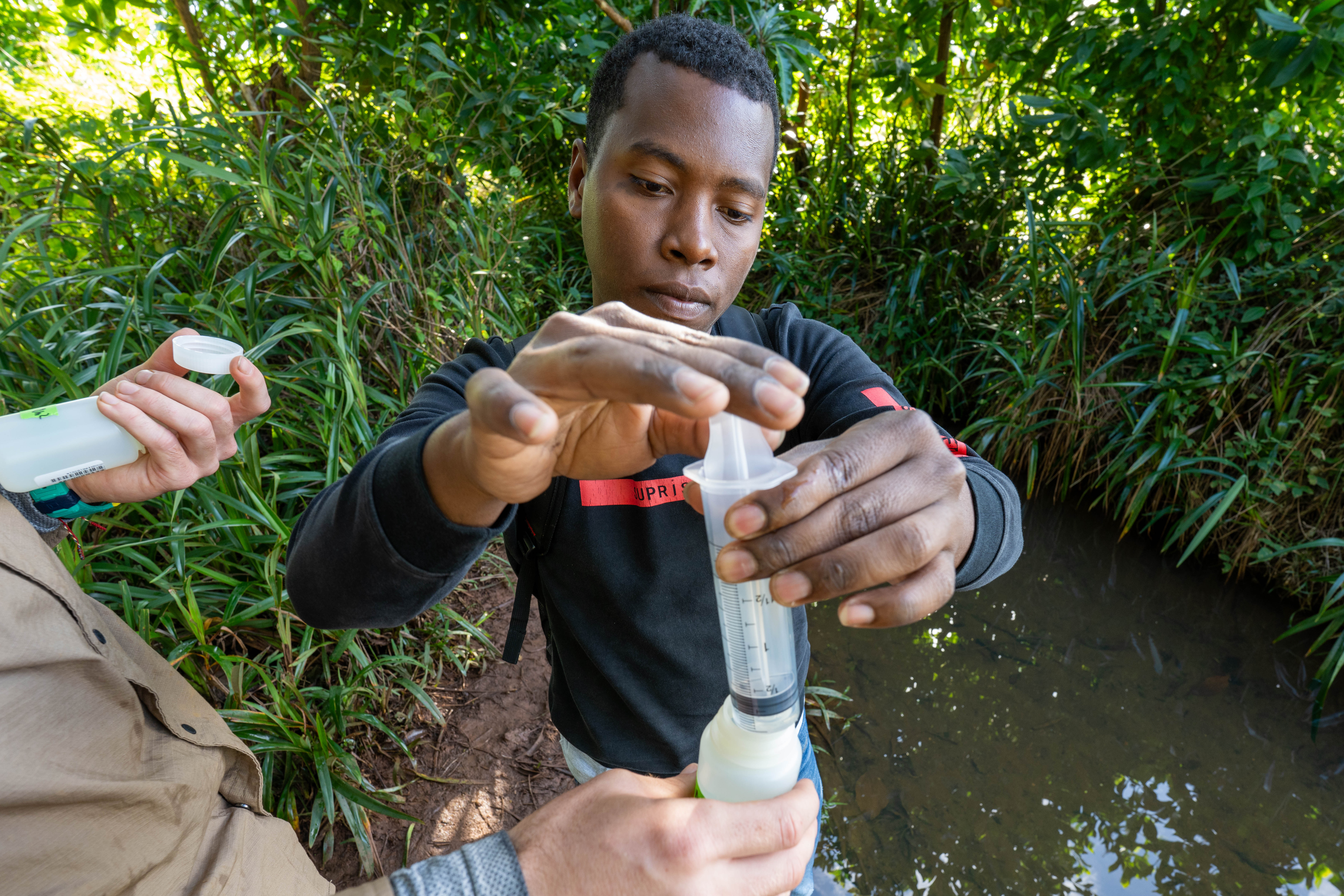
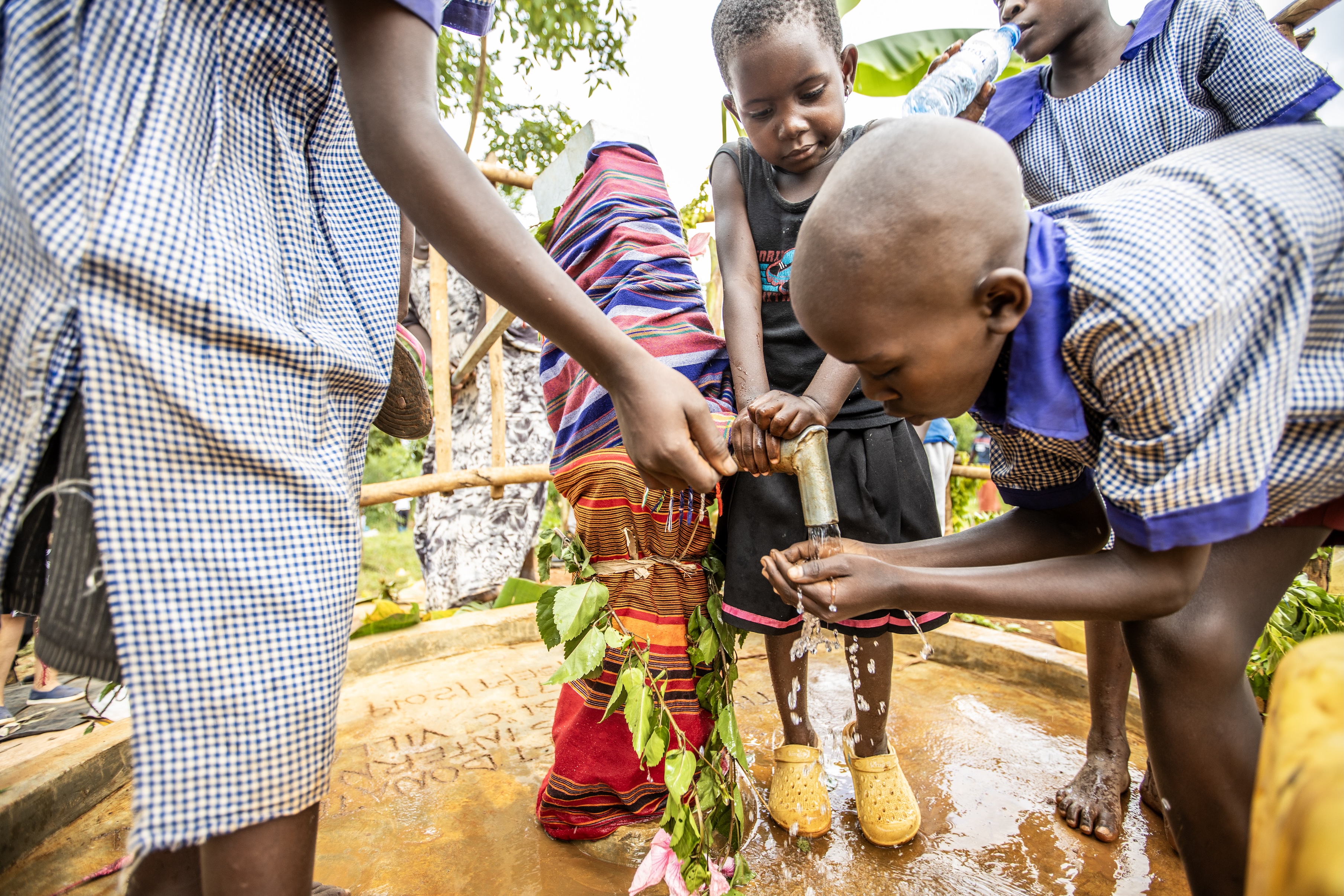
Testing drinking-water sources and building safe access — wells, rainwater systems, and long-term water-quality monitoring.
Health and disease surveillance
Health & Disease Surveillance
Working with local clinics and field teams to track malaria and waterborne disease alongside the environmental conditions that drive them.
Year-round local teams
Year-Round Local Teams
Salaried staff in Madagascar and Uganda run every program on the ground, all year — not fly-in, fly-out projects.
[voices from the field]
“A question I ask myself that I encourage you all to consider is: How can you do what I love to improve the well-being of someone else? You will be amazed how your life unfolds when you leave out the answer to this question.”
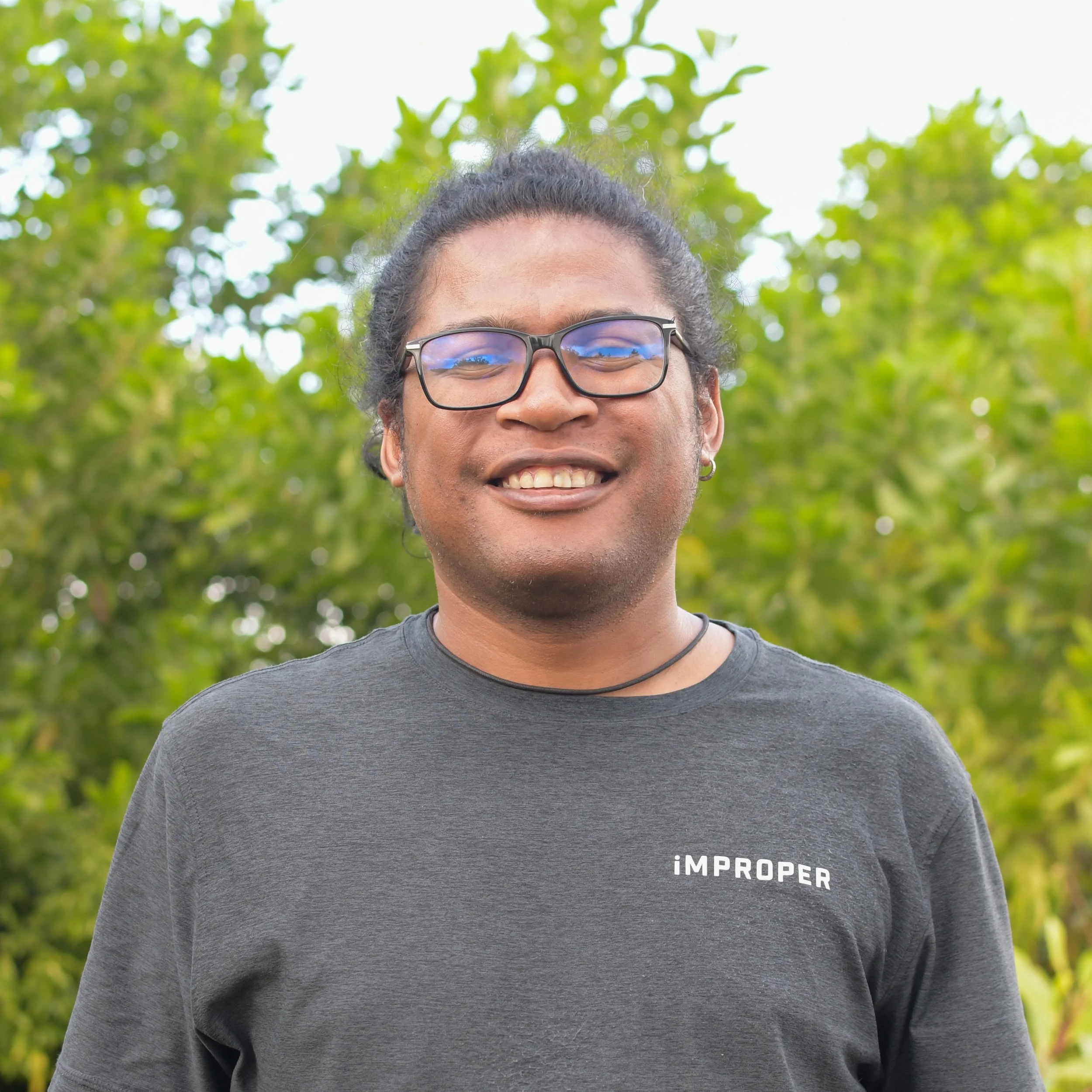
Tojosoa Raherinirainy, Executive Director, Fractile Institute Madagascar
[flagship programs]
Grow Coffee.
Restore Watersheds.
Agroforestry
We plant shade coffee alongside shade trees on degraded slopes, restoring soil, shading streams, and giving farming families a crop worth protecting the forest for.
1,800+ coffee and native-tree seedlings on pilot hillsides
Farmer training led by local lead producers
100% of coffee profits fund the Institute
Safe Water
We test drinking-water sources, restore access points, and pair infrastructure with the health data to prove what works.
Water-quality testing across dozens of rural sources
Well and rainwater-harvesting feasibility with village partners
Borehole records digitized with Ugandan hydrogeologists
“Poverty is not just a lack of money. It’s a lack of opportunity, choices, and sometimes hope itself and when systems that restore dignity are created, poverty is not just to be fought but a world where everyone earns a chance to thrive is created.”
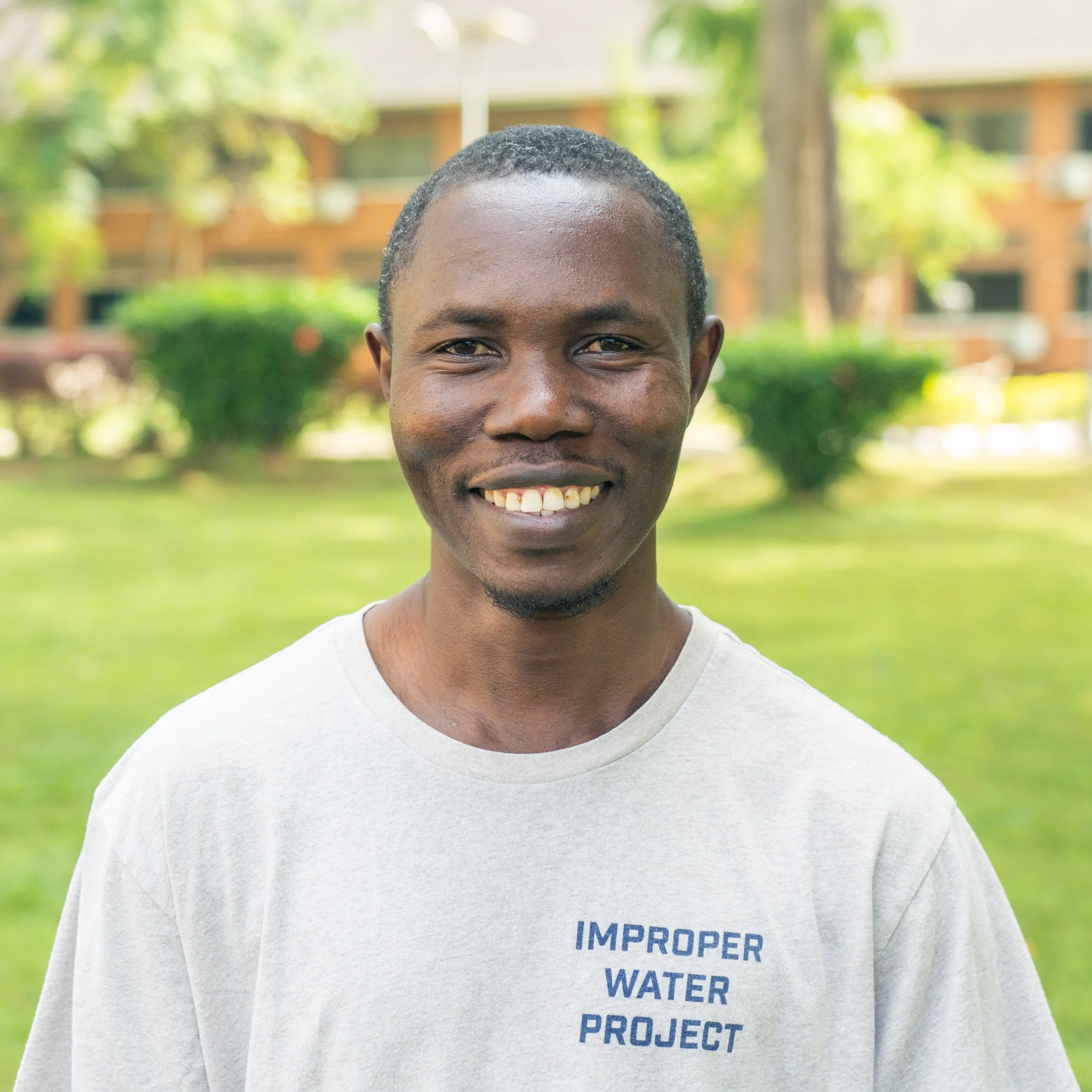
Paul Kato, Executive Director, Fractile Institute Uganda
Paul Kato
Executive Director
Fractile Institute Madagascar
Acres under reforestation, planted with 1,800+ trees.
3.8
Villages in our health & water network across Madagascar & Uganda
30+
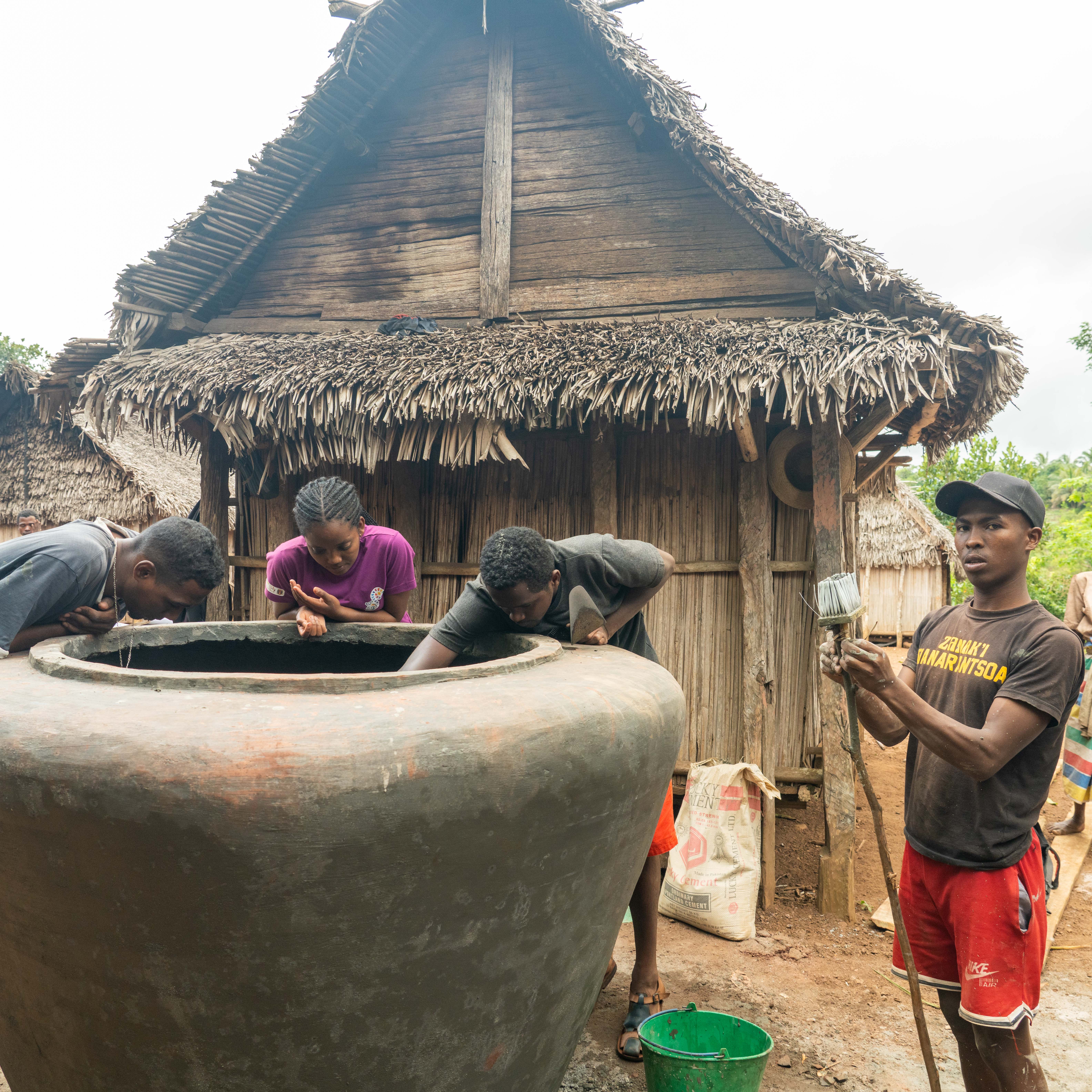
Rainwater tanks and a clean drinking water well serving rural villages
60
[Help & Support]
Frequently
Asked Questions
If you don't see your question here, write to us. We would rather answer a hard question directly than leave you guessing.
arrow rightarrow right
get in touch
Is Fractile Institute a registered nonprofit?
arrow up
Yes. Fractile Institute, Inc. is a North Carolina nonprofit corporation recognized as tax exempt under Section 501(c)(3) of the Internal Revenue Code, EIN 39-2409154. Contributions are tax deductible to the fullest extent allowed by law.

Our financials are filed publicly with the IRS each year. If you want to understand how a donation moves from your hands to a tree in the ground, write to us and we will walk you through it.
You also sell coffee. Is that a conflict of interest?
arrow up
It is a relationship we manage openly rather than hide. Coffee is sold through Fractile Labs, a separate for-profit public benefit corporation. Our founder holds an ownership stake in Labs and serves as its CEO, and he recuses himself from any Institute board vote involving transactions between the two entities.

Donations and programme work run through the Institute. Coffee commerce runs through Labs. The two are never commingled in banking or accounting, and the relationship is disclosed on our annual filing with the IRS.
Is the link between reforestation and disease actually established?
arrow up
Partly, and we are careful about the difference. That clearing forest leaves water standing, and that standing water breeds the mosquitoes carrying malaria, is well documented. Whether restoring forest cover on smallholder land measurably reduces transmission, at what scale and over what timeframe, is far less settled.

That open question is what our research is built to test, which is why we call it proposed research rather than proven results. If the hypothesis does not hold, the wells still deliver clean water, the wages are still roughly double the local rate, and the trees still hold soil and produce a harvest.
How do you know the money is spent as described?
arrow up
Every field expense is documented against a receipt and reconciled monthly. Planting is recorded as it happens, with geotagged and timestamped entries rather than a summary written at the end of a season. Water quality is measured at the source rather than reported second hand.

Where a partner cannot produce that documentation, we stop funding that line. We have ended a partnership over exactly this. We would rather lose a programme than publish numbers we cannot stand behind.
Why Madagascar and Uganda?
arrow up
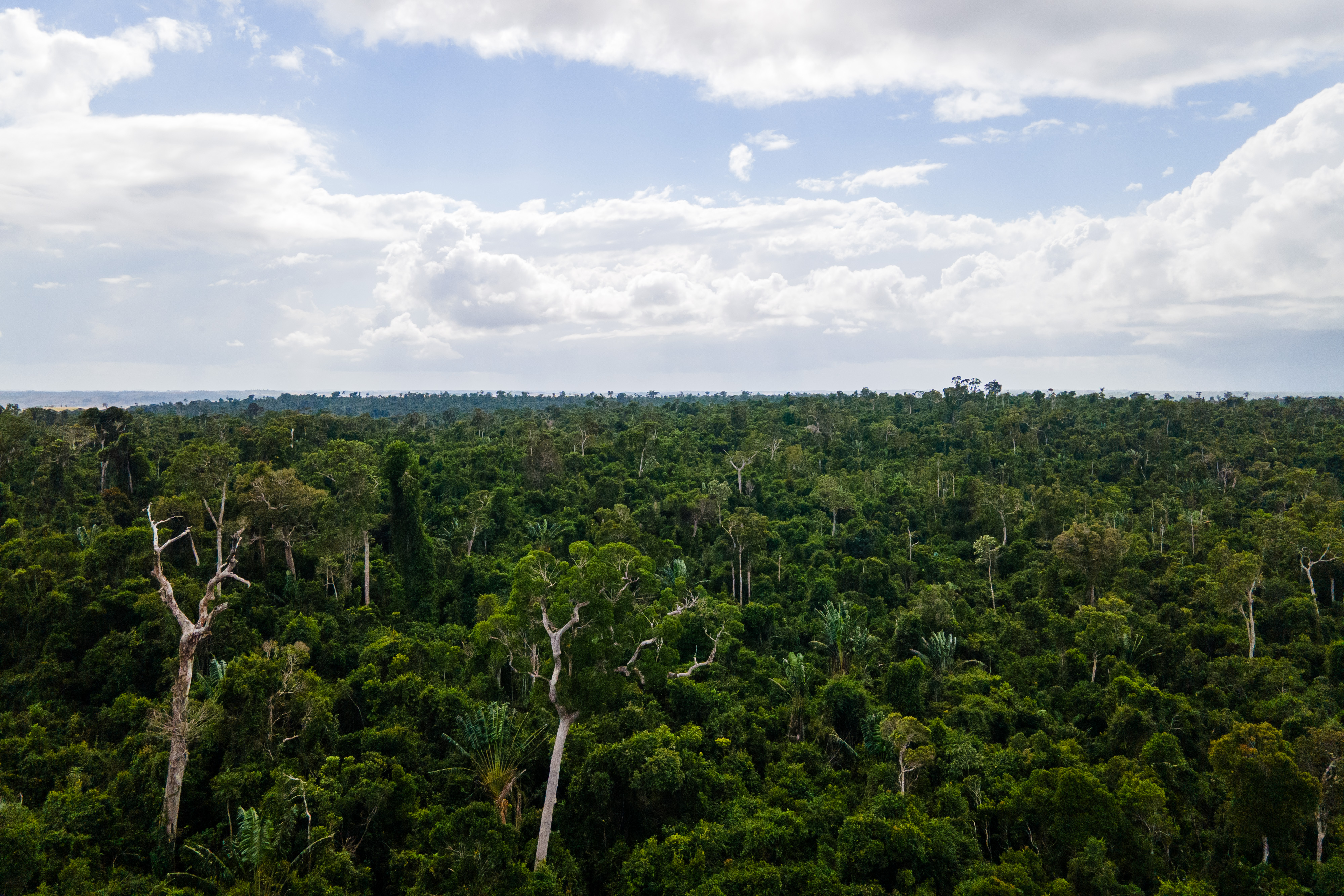
Both sites sit where deforestation, malaria, and unsafe water overlap. In Madagascar we work near the Manombo Special Reserve in the Farafangana district, beside remnant forest that matters for native species recovery. In Uganda we work in Nebbi District, in the West Nile region.

Working in two countries is deliberate. A result that holds in one place and not the other tells us something a single site never could, and it keeps us from mistaking a local accident for a general finding.
What happens to the trees when the funding stops?
arrow up
This is the honest failure mode of most planting projects, and it is the risk we designed around. Trees that nobody has a reason to keep alive rarely survive their first dry season after the money leaves.

Our answer is that the trees are worth more standing than cleared to the households tending them. They produce a saleable harvest, the people caring for them earn roughly double the local rate, and coffee revenue funds the next planting season rather than the next grant cycle.