[Fractile Institute]

Converting carbon into planetary health

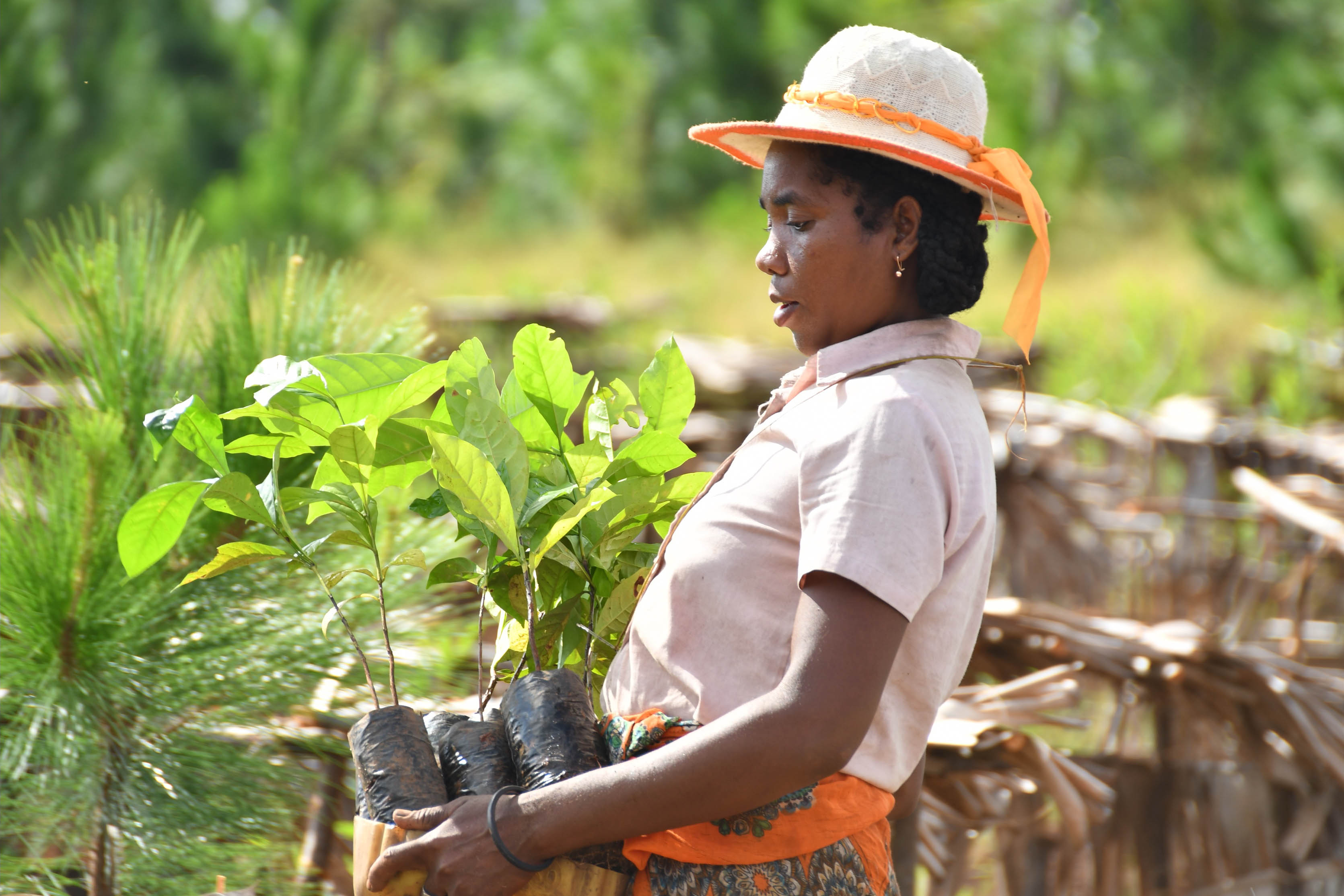
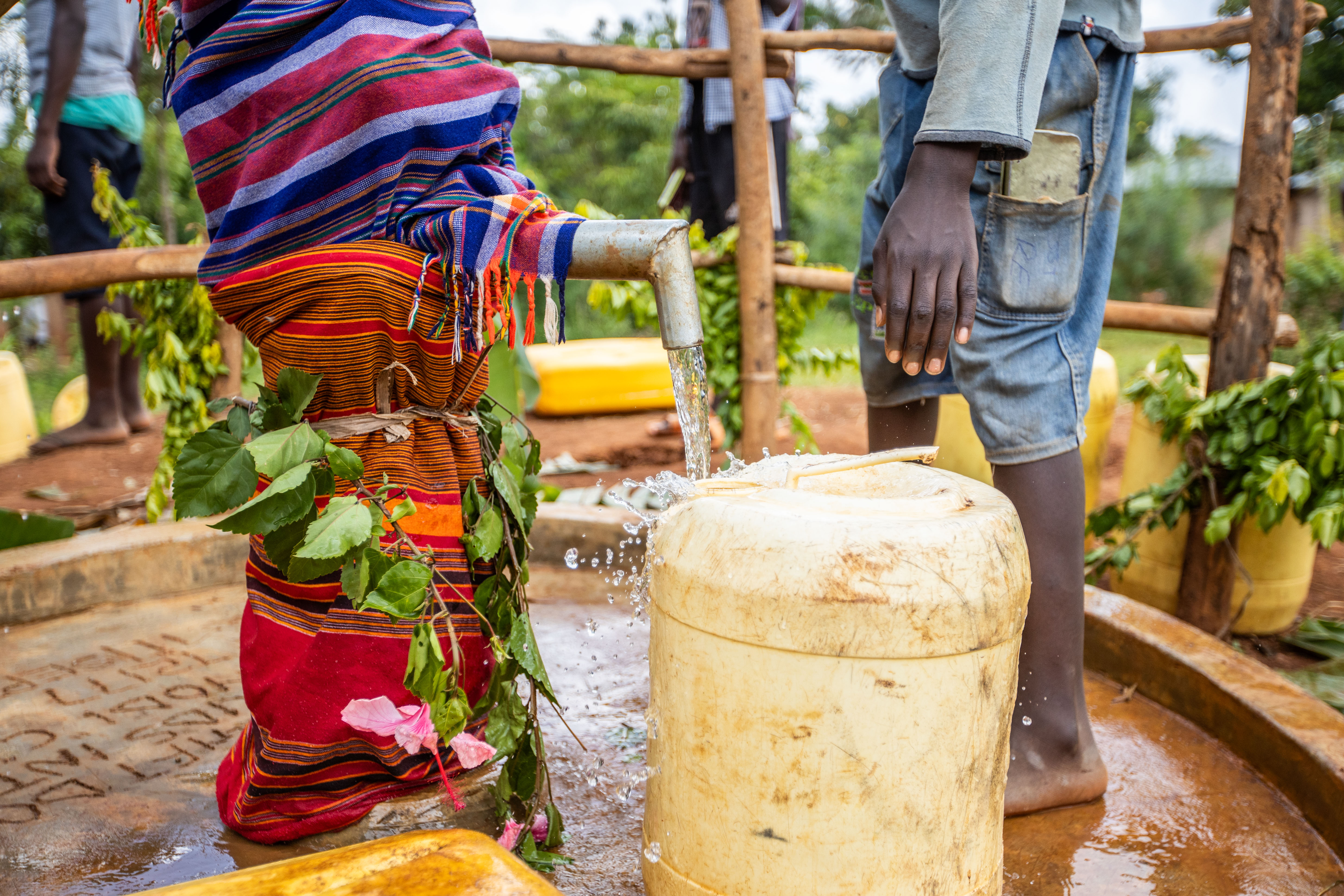
We plant forests and implement clean water infrastructure to improve the health and livelihoods of under-resourced communities in Madagascar and Uganda.

Learn More
Learn More
Locations: Madagascar & Uganda
arrow rightarrow right
Partnering with world class institutions
[Planetary health in practice]

Restore landscapes. Strengthen communities.

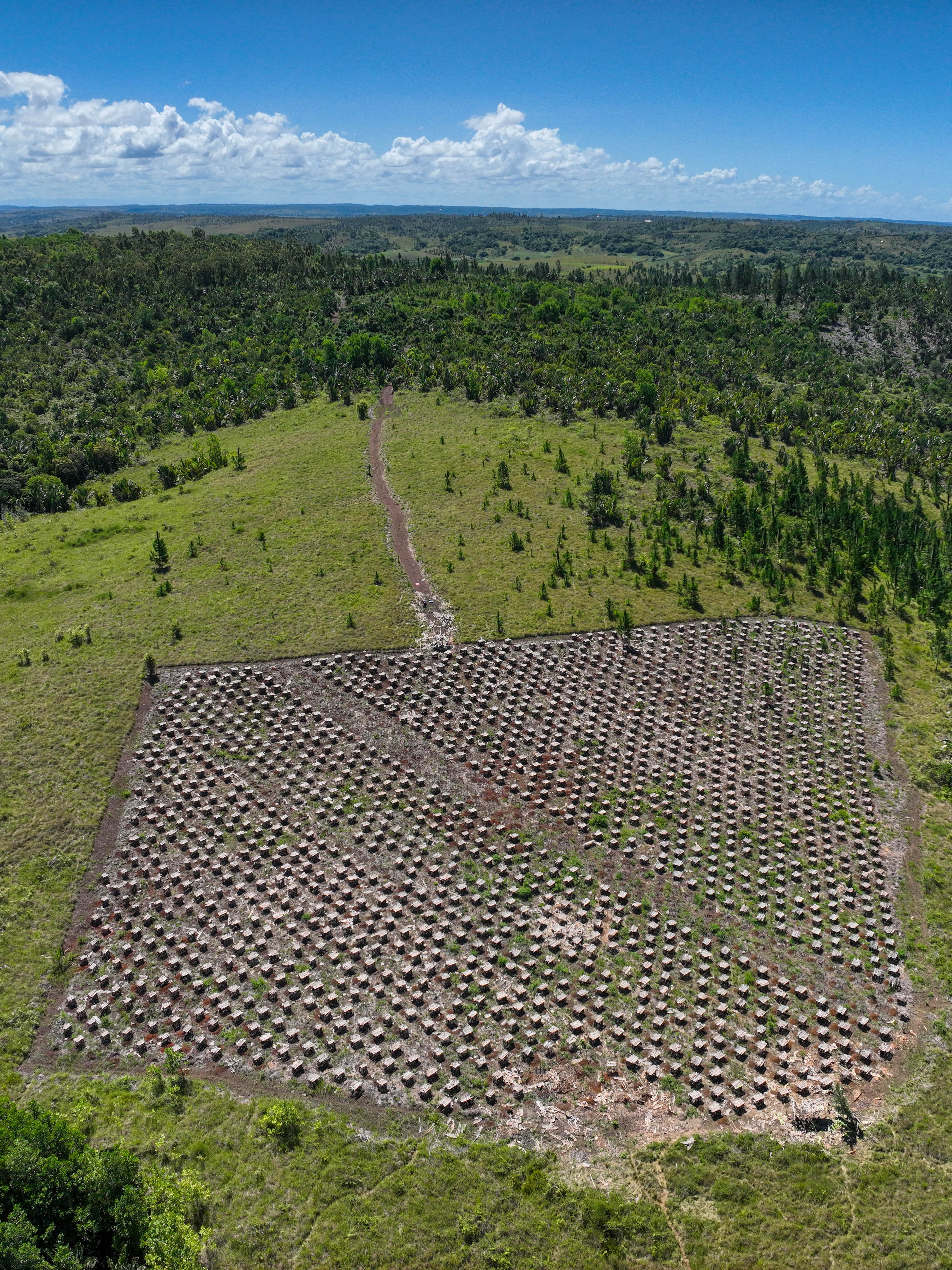
We restore degraded landscapes to improve health and economic outcomes in Madagascar and Uganda.

Our progress
What has been accomplished so far.
3.8
Acres under reforestation
2,041
trees planted
2×
The local wage paid
7
Villages with clean water access
arrow rightarrow right
View 2025 Annual report
Two programs · One mission
Reforestation as
medicine
Coffee agroforestry · Fair-wage livelihoods
Safe water
access
Wells · Rainwater catchment · Water quality research
Planetary health icon
Planetary health
Cleaner water. Lower disease risk. Stronger livelihoods.
[our Work]

Forests, water, and wages, measured.

arrow rightarrow right
our process
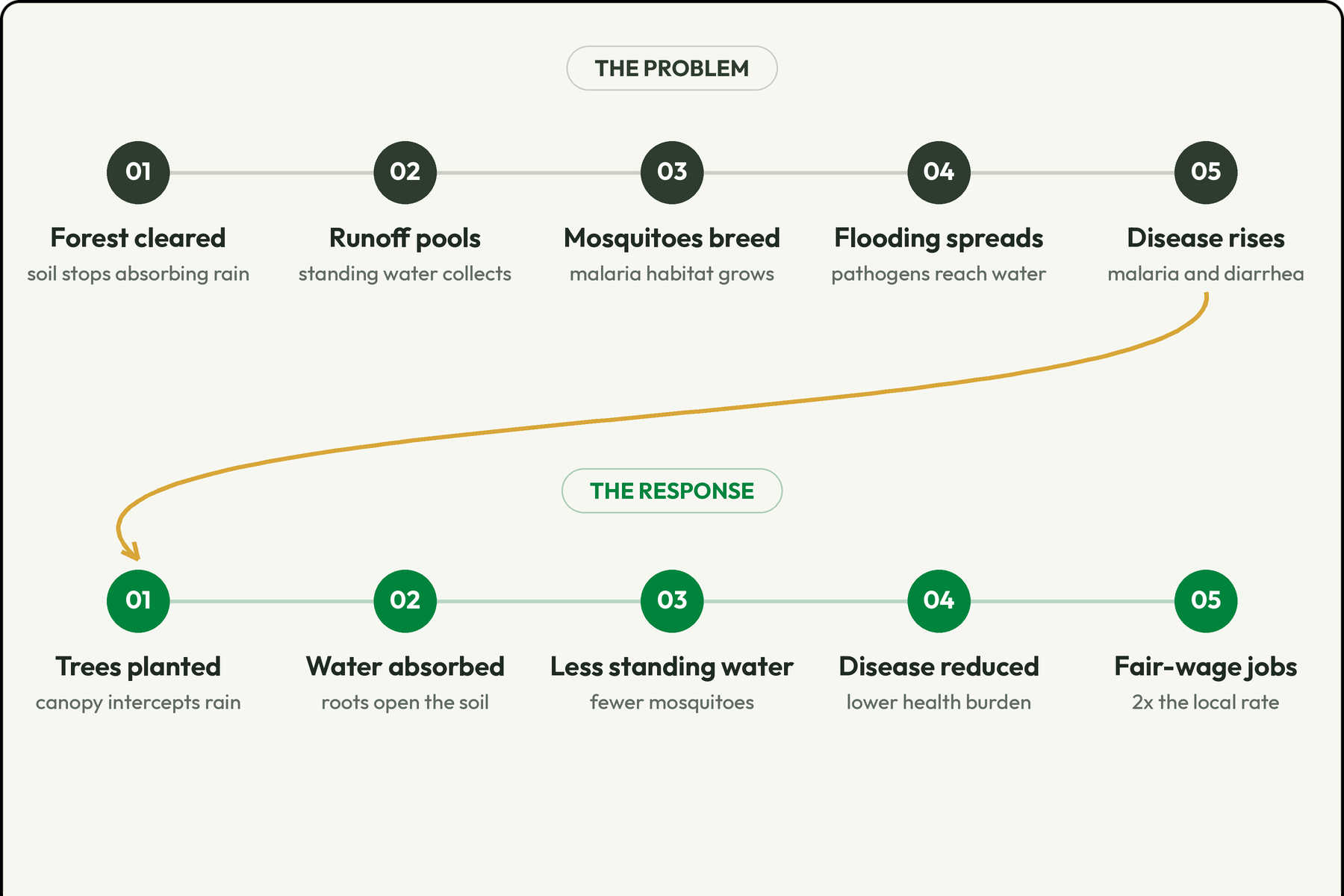
Planting trees that reduce the environmental conditions driving infectious diseases like malaria.
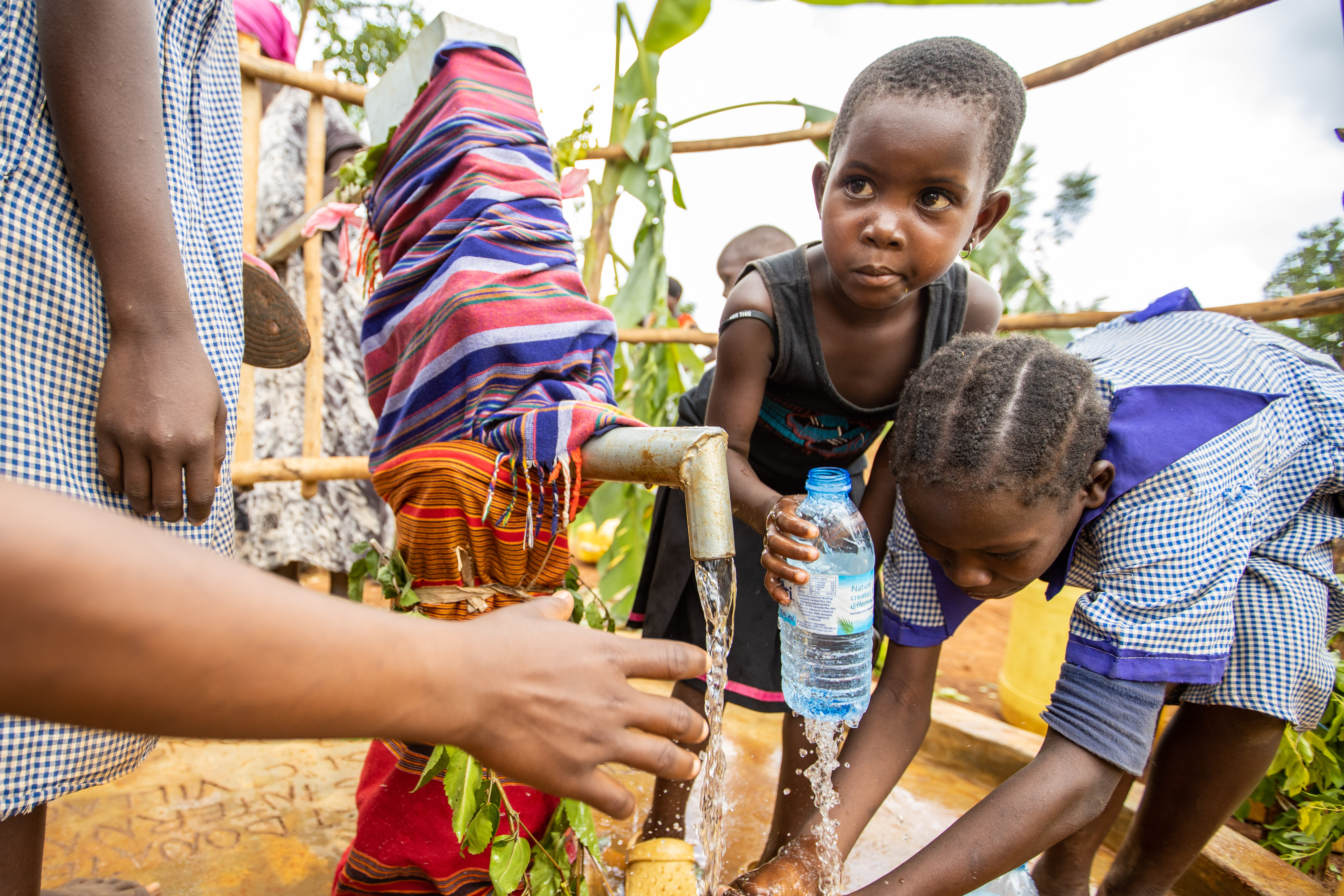
Developing clean water systems that reduce exposure to contaminated water and improve reliable access to safe drinking water.
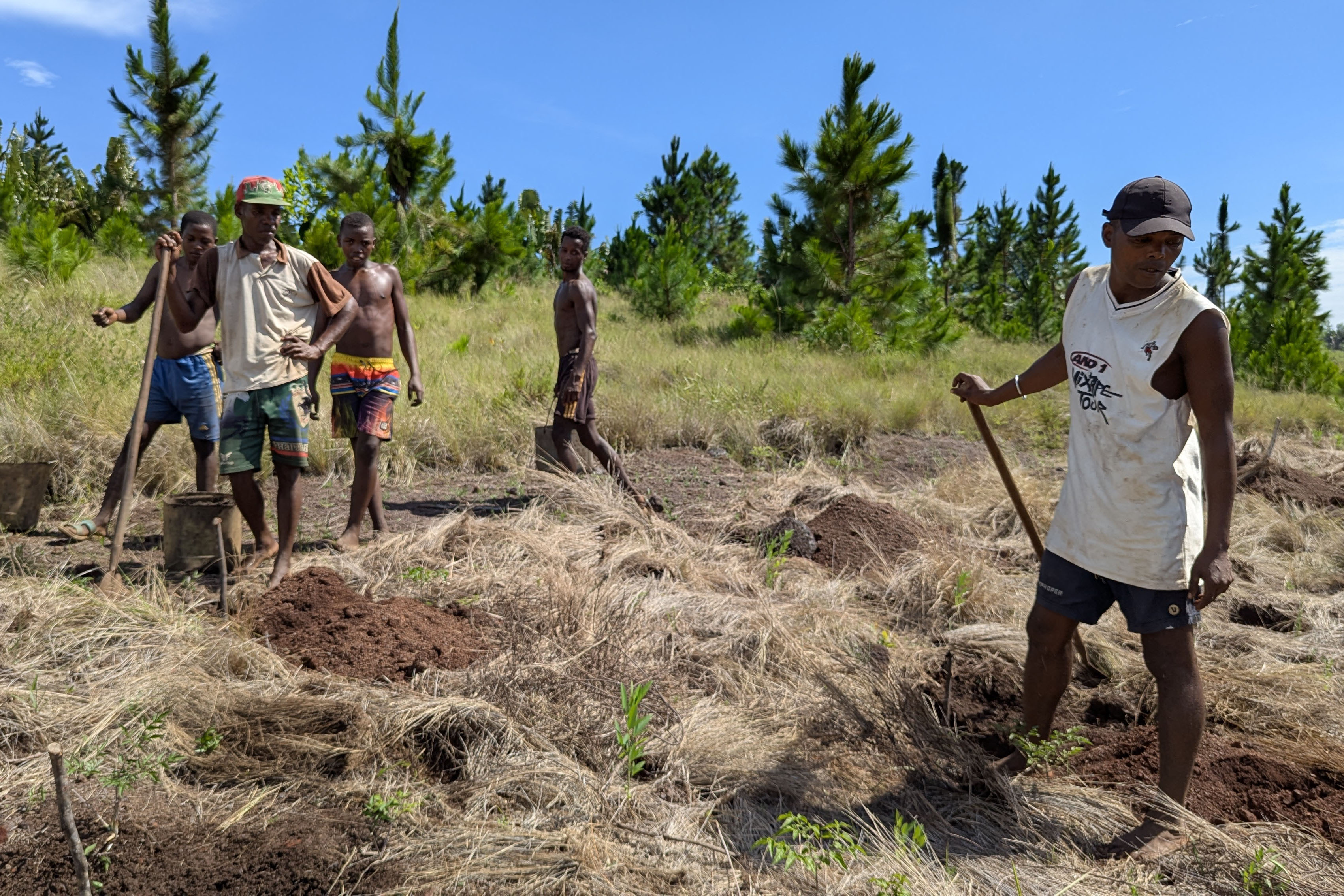
Paying farmers premium wages, so restoring degraded land builds lasting economic security alongside better health.

Locations

Madagascar
Farafangana District
Uganda
Nebbi District
How forests become public health.
Agroforestry
Planting trees to restore degraded land, restore soil, and create a forest that pays for its own survival.
Safe water access
Building wells and rainwater catchment systems that bring clean drinking water to villages in Madagascar and Uganda.
Field research
Measuring how reforestation changes water, mosquito habitat, and disease risk with daily pathogen testing, groundwater studies, and drone mapping.
Fair-wage livelihoods
Hiring locally at roughly double the going rate, so restoring the landscape also strengthens the households living on it.
[Our Programs]
One system, many parts.
We plant forests that change how water moves across the land. Less runoff and standing water means less malaria and waterborne disease. Local jobs keep the forest standing long after the first trees go in.
More information
More information
We develop clean water boreholes and rainwater catchment tanks so households stop drawing from contaminated sources. Sixty 5,000 liter tanks now serve three villages in Madagascar, and a deep water borehole serves four villages in Uganda.
More information
More information
Restoration only holds if it pays. We hire from the communities where we plant and pay roughly twice the prevailing local wage, so tending a forest is better work than clearing one.
More information
More information
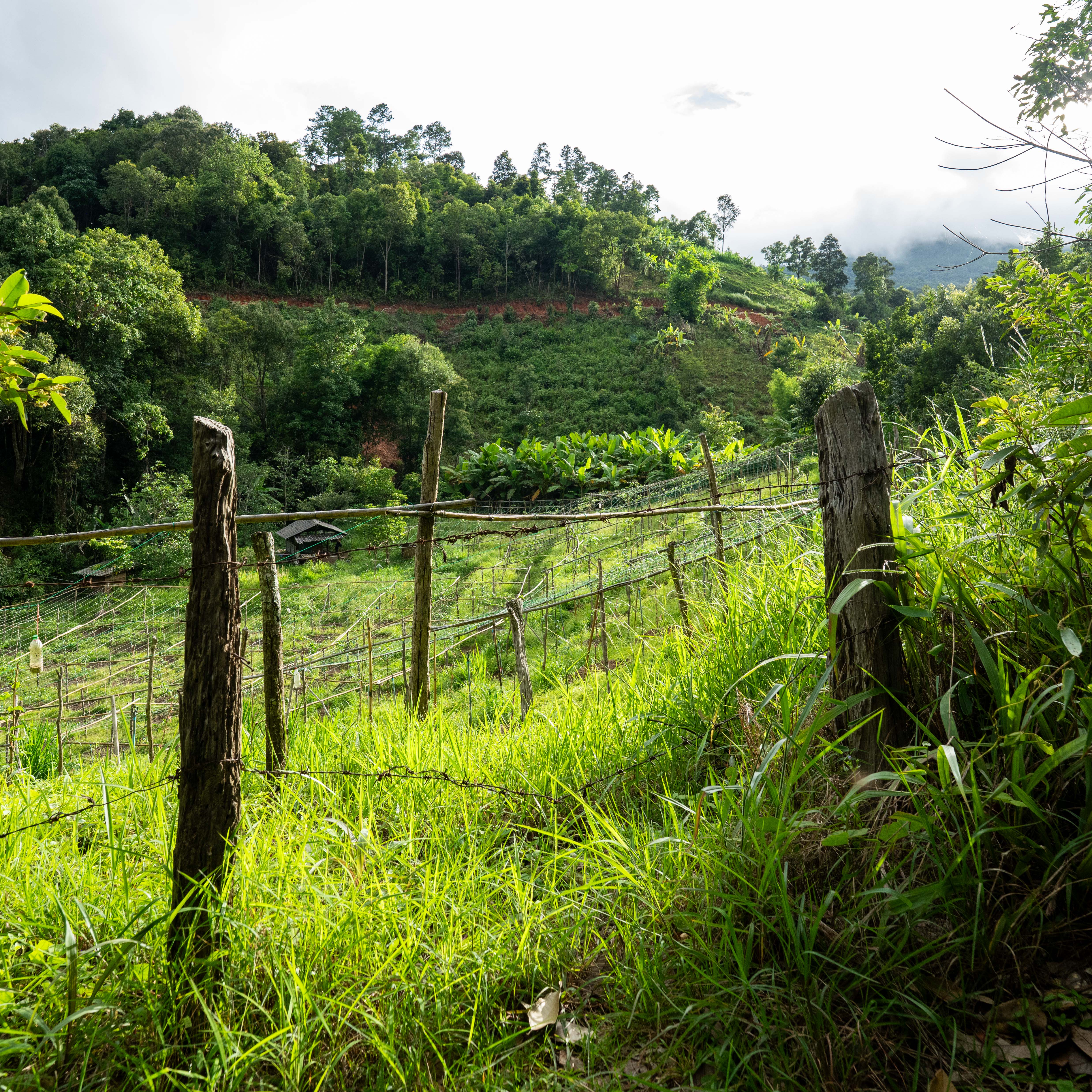
Coffee is what keeps the system running. Beans grown under shade are processed in country and sold in the U.S., and the profits fund more reforestation and clean water infrastructure.
More information
More information
arrow rightarrow right
More about us
[more information]

From the field and beyond

Our research, methods, and impact report. Technical reports set out the questions we are asking and how we measure them, and our annual report accounts for what the work delivered.
Reforestation and Health Outcomes
A technical report on our proposed research into how restoring forest cover changes malaria and waterborne disease transmission.
arrow rightarrow right
Hydrogeological Research
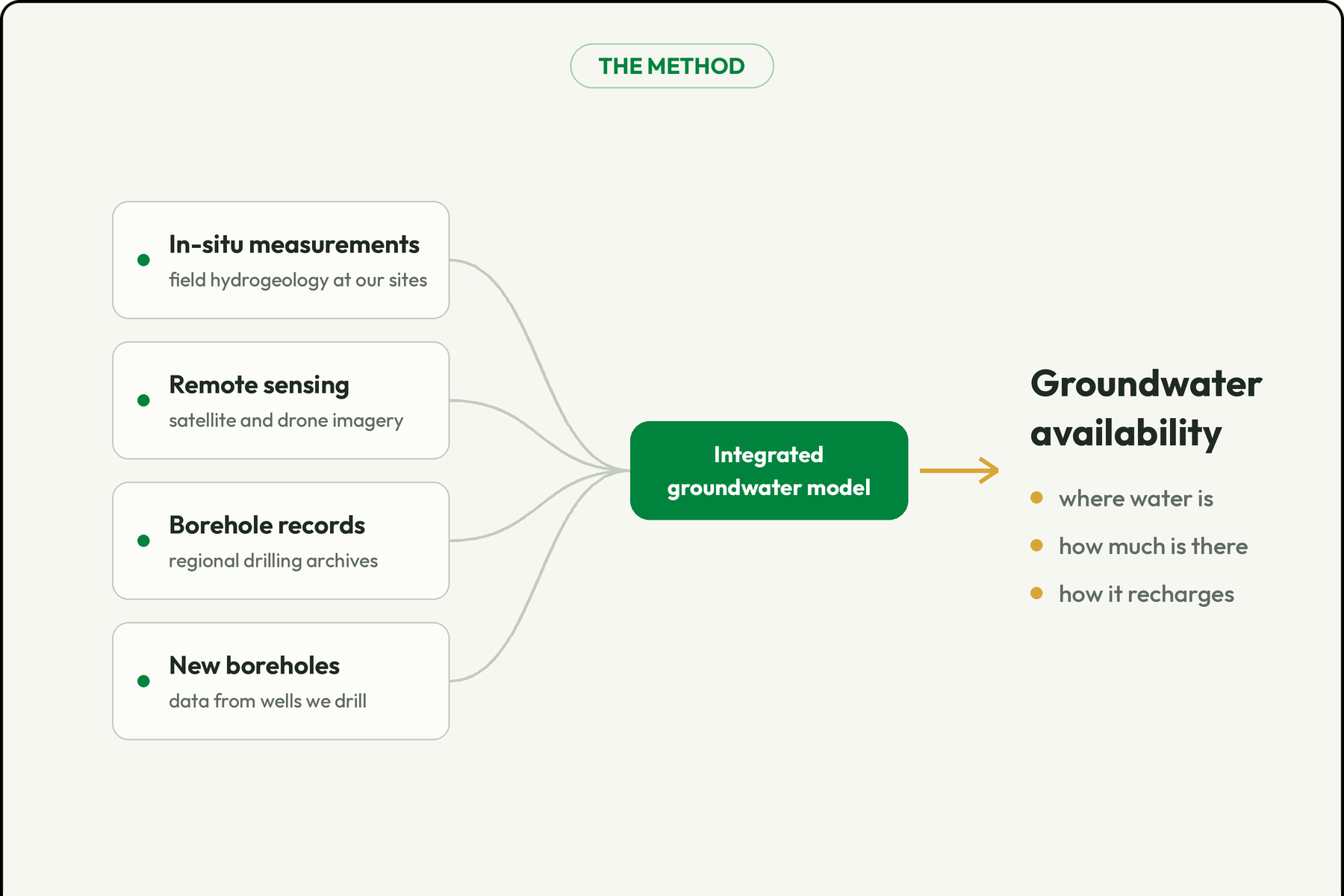
A technical report on our in-situ and remote sensing work to characterize groundwater availability across our sites.
arrow rightarrow right
2025 Annual Report
What we planted, built, and measured across Madagascar and Uganda, with the financials behind it.
arrow rightarrow right